
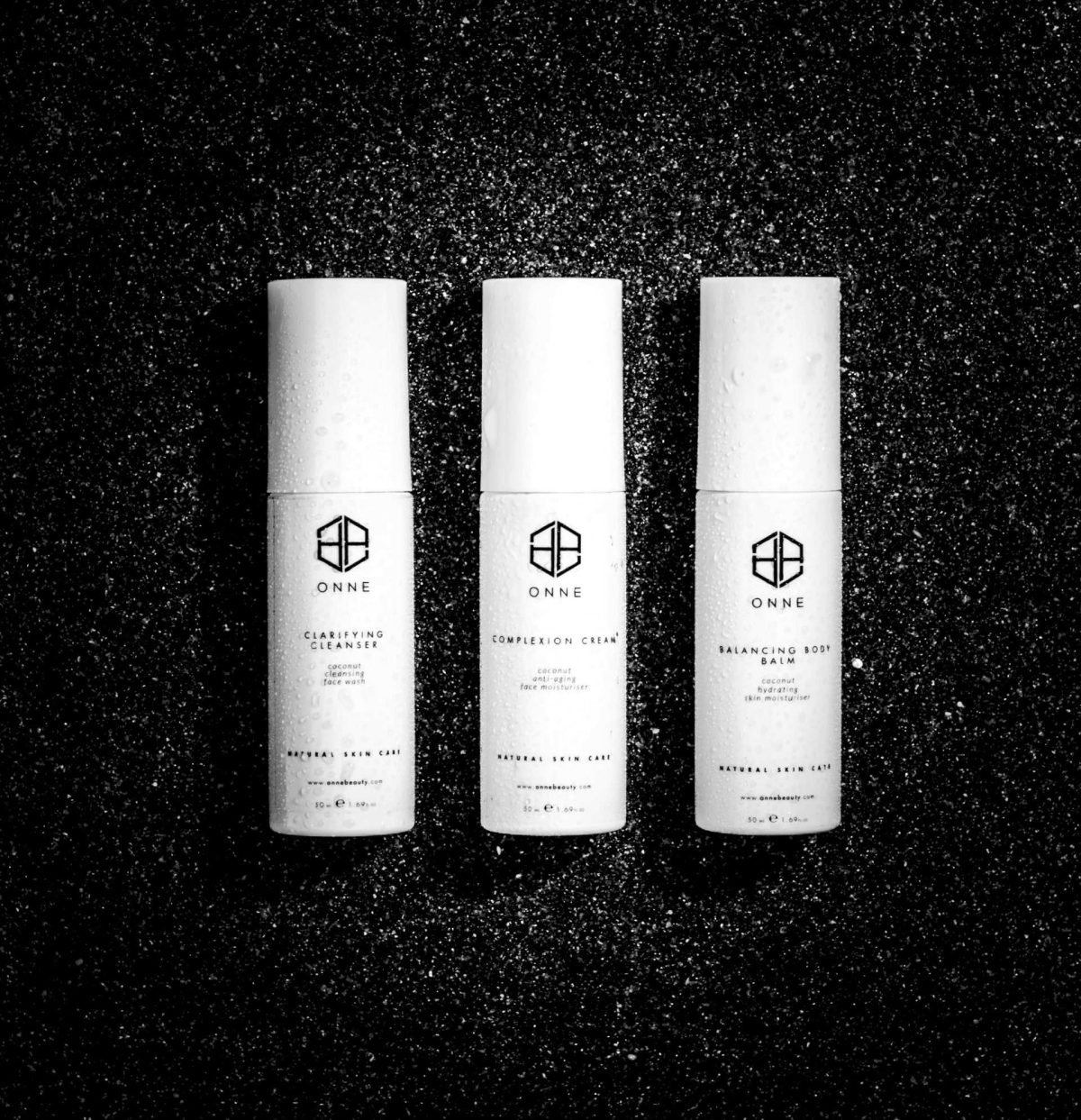
Introduction: What Does Clean Beauty Actually Mean?
The term “clean beauty” has become one of the most talked-about movements in the cosmetics industry, yet it remains frustratingly ambiguous. Walk down any beauty aisle and you will see products labeled “clean,” “natural,” “organic,” “green,” “non-toxic,” and “free from” — all with no universal regulatory definition. So what exactly is clean beauty, and how do you separate meaningful standards from marketing hype?
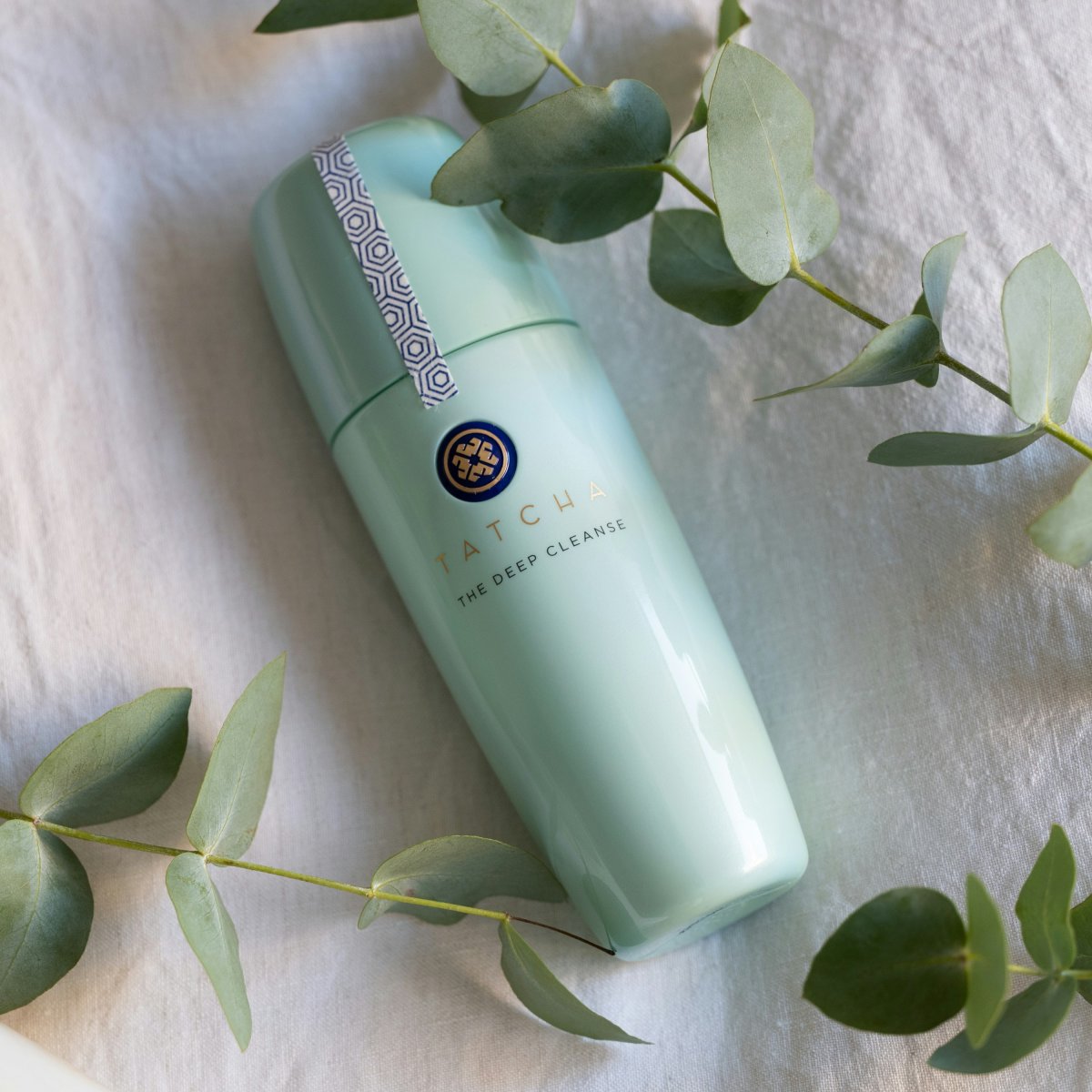
At its core, clean beauty is a philosophy centered on transparency, safety, and sustainability. It prioritizes ingredients that are safe for human health and the environment while avoiding those with established or suspected links to harm. Unlike “natural” beauty, which focuses on ingredient origin (plant-derived versus synthetic), clean beauty is concerned with safety. A synthetic ingredient manufactured in a lab can be clean if it is demonstrably safe and sustainably produced. Conversely, a natural ingredient — such as certain essential oils — can be irritating or allergenic for some people.
This guide will walk you through the clean beauty landscape in detail. We will explore the history of the movement, the regulatory gaps that consumers should understand, the ingredients widely embraced by clean beauty advocates, and those commonly avoided and why. By the end, you will be equipped to make informed, empowered choices about the products you use on your body every day.
The Origins and Evolution of the Clean Beauty Movement
A Brief History
The modern clean beauty movement traces its roots to the early 2000s, when a growing body of research began linking certain cosmetic ingredients to health concerns such as endocrine disruption, carcinogenicity, and environmental toxicity. Consumer awareness grew through books, documentaries, and investigative journalism that highlighted the relative lack of regulation in the cosmetics industry — particularly in the United States.
In the US, the Food and Drug Administration (FDA) does not approve cosmetics or their ingredients before they go to market, with the exception of color additives. The Federal Food, Drug, and Cosmetic Act, which governs cosmetics, has not been significantly updated since 1938. The FDA has banned or restricted only about a dozen ingredients in cosmetics. By contrast, the European Union has banned or restricted more than 1,600 ingredients. This regulatory disparity fueled the demand for independent standards and greater transparency.
Retailers responded. Sephora launched its “Clean at Sephora” program in 2018, identifying products free from a specific list of ingredients. Credo Beauty, a clean beauty retailer founded in 2015, established one of the most rigorous ingredient standards in the industry. Target, Ulta, and Nordstrom have all introduced clean beauty designations. Third-party certifications such as EWG Verified, COSMOS, and Made Safe emerged to provide independent validation.
Why Regulation Has Not Kept Pace
The regulatory gap exists partly because proving that a specific cosmetic ingredient causes harm requires long-term, large-scale epidemiological studies that are expensive and difficult to conduct. Ingredients are generally presumed safe until evidence demonstrates otherwise. Moreover, cosmetic ingredients are tested individually, not in combination, even though consumers use multiple products daily whose ingredients may interact in ways that research has not yet examined. This is known as the “cocktail effect,” and it is an area of ongoing scientific inquiry.
Ingredients to Embrace: The Clean Beauty Hall of Fame
Hyaluronic Acid
Hyaluronic acid (HA) is a humectant naturally found in the human body, particularly in the skin, joints, and eyes. It can hold up to 1,000 times its weight in water, making it an unparalleled hydrator. In skincare, HA draws moisture from the environment into the skin, plumping fine lines and delivering a dewy, hydrated appearance. It is generally well-tolerated by all skin types, including sensitive and acne-prone skin. Look for multi-weight HA formulations that deliver hydration to different layers of the skin.
Niacinamide
Niacinamide, also known as vitamin B3, is one of the most versatile and well-researched ingredients in skincare. It strengthens the skin barrier by boosting ceramide production, reduces inflammation and redness, regulates sebum production (helpful for oily and acne-prone skin), fades hyperpigmentation by interrupting melanin transfer to skin cells, and provides antioxidant protection against environmental damage. Concentrations between 2 and 10 percent are effective, with 5 percent being the sweet spot for most people. Niacinamide plays well with almost every other active ingredient, making it easy to incorporate into any routine.
Vitamin C (L-Ascorbic Acid)
Vitamin C is a potent antioxidant that protects skin from free radical damage caused by UV exposure and pollution. It also inhibits melanin production, helping to fade dark spots and even out skin tone, and is essential for collagen synthesis. Pure L-ascorbic acid is the most researched form, but it is also unstable and can be irritating at high concentrations. Derivatives like ascorbyl glucoside, magnesium ascorbyl phosphate, and tetrahexyldecyl ascorbate offer greater stability and tolerability with similar benefits. Store vitamin C products in opaque, airtight containers and keep them away from light and heat to prevent oxidation.
Squalane
Squalane is the hydrogenated, stable form of squalene, a lipid naturally produced by human sebaceous glands. It is an exceptional moisturizer that mimics the skin’s natural oils, absorbing quickly without leaving a greasy residue. It is non-comedogenic, making it suitable for acne-prone skin, and its lightweight texture works well for all skin types. Olive-derived squalane is common, but sugarcane-derived squalane is increasingly popular for its superior sustainability profile.
Ceramides
Ceramides are lipids that form approximately 50 percent of the skin’s barrier. They act like mortar between the skin cells (the bricks), keeping moisture in and irritants out. Ceramide levels decline with age and are depleted by harsh cleansers, exfoliants, and environmental stressors. Topical application helps restore barrier function, reduce transepidermal water loss, and calm sensitivity. Look for products that contain ceramides NP, AP, and EOP in a ratio that mimics the skin’s natural composition, ideally paired with cholesterol and fatty acids.
Bakuchiol
Bakuchiol is a plant-derived compound extracted from the seeds and leaves of the Psoralea corylifolia plant (babchi). Research published in the British Journal of Dermatology in 2019 found that bakuchiol is comparable to retinol in reducing fine lines, wrinkles, and hyperpigmentation, but with significantly less irritation. It is safe for use during pregnancy and breastfeeding, when retinol is contraindicated, and it can be used both morning and night (unlike retinol, which is degraded by sunlight). Bakuchiol is also an antioxidant, offering additional protection against environmental damage.
Aloe Vera
Aloe vera has been used for centuries for its soothing, hydrating, and wound-healing properties. It contains vitamins (A, C, E, and B12), enzymes, minerals, and amino acids that calm inflammation, hydrate without heaviness, and support skin repair. Pure aloe vera gel is ideal for sunburn relief, post-treatment soothing, and as a lightweight moisturizer for oily skin types.
Centella Asiatica (Cica)
Centella asiatica, also known as gotu kola, tiger grass, or cica, is a medicinal herb long used in traditional Chinese and Ayurvedic medicine. Its active compounds — madecassoside, asiaticoside, and asiatic acid — stimulate collagen synthesis, reduce inflammation, and accelerate wound healing. Cica has become a star ingredient in K-beauty for its calming and reparative properties, making it ideal for sensitive, irritated, or compromised skin.
Ingredients to Avoid: Understanding the Concerns
Parabens
Parabens (methylparaben, ethylparaben, propylparaben, butylparaben) are preservatives used to prevent microbial growth in cosmetics. The concern stems from studies showing that parabens can weakly mimic estrogen in the body, a phenomenon known as endocrine disruption. Parabens have been detected in human breast tissue and urine samples, raising questions about bioaccumulation. While regulatory agencies including the FDA and the European Commission’s Scientific Committee on Consumer Safety have not established a causal link between parabens and adverse health outcomes at the concentrations used in cosmetics, many consumers choose to avoid them out of an abundance of caution, and the clean beauty industry has largely moved toward paraben-free formulation.
Phthalates
Phthalates are a group of chemicals used to increase the flexibility and longevity of fragrances in cosmetics. They are often hidden behind the umbrella term “fragrance” or “parfum” on ingredient lists, making them difficult for consumers to identify. Phthalates, particularly diethyl phthalate (DEP) and dibutyl phthalate (DBP), have been linked to reproductive and developmental toxicity in animal studies. The EU has banned several phthalates from cosmetics, and many clean beauty brands explicitly formulate without them. When you see a product labeled “phthalate-free,” it means the manufacturer has avoided these compounds.
Sodium Lauryl Sulfate (SLS) and Sodium Laureth Sulfate (SLES)
SLS and SLES are surfactants that create the foaming action in cleansers, shampoos, and body washes. While effective at removing oil and dirt, they can strip the skin of its natural lipids, compromising the barrier and causing dryness, irritation, and sensitivity. SLES is ethoxylated, meaning it may be contaminated with 1,4-dioxane, a probable human carcinogen, though this risk can be mitigated through proper manufacturing (vacuum stripping). Clean beauty favors gentler surfactants like coco-glucoside, decyl glucoside, sodium cocoyl isethionate, and sodium lauroyl methyl isethionate, which cleanse effectively without disrupting the skin barrier.
Formaldehyde and Formaldehyde-Releasing Preservatives
Formaldehyde is a known human carcinogen when inhaled in high concentrations. While it is rarely used directly in cosmetics, formaldehyde-releasing preservatives slowly release small amounts of formaldehyde to prevent microbial growth. These include DMDM hydantoin, imidazolidinyl urea, diazolidinyl urea, quaternium-15, and bronopol. The levels released are very low, and the Cosmetic Ingredient Review (CIR) panel considers them safe at current usage levels, but many consumers — particularly those with sensitive skin or allergies — prefer to avoid them. In clean beauty, phenoxyethanol, sodium benzoate, potassium sorbate, and ethylhexylglycerin are common alternatives.
Synthetic Fragrance
“Fragrance” or “parfum” on an ingredient label can represent a proprietary blend of dozens or even hundreds of chemicals that manufacturers are not required to disclose because fragrance formulations are protected as trade secrets. This lack of transparency makes it impossible for consumers to know what they are being exposed to. Fragrance is among the most common causes of contact dermatitis and allergic reactions from cosmetics. For those with sensitive skin, eczema, or allergies, fragrance-free products are strongly recommended. Clean beauty brands increasingly disclose full fragrance ingredient lists or use only natural essential oils.
Mineral Oil and Petrolatum
Mineral oil and petrolatum (petroleum jelly) are byproducts of petroleum refining. When properly refined, they are considered safe and are highly effective occlusives that prevent moisture loss. The concern is primarily about inadequate refinement, which can leave behind polycyclic aromatic hydrocarbons (PAHs), some of which are carcinogenic. The EU requires full refinement history documentation for petrolatum used in cosmetics. Clean beauty brands generally replace these with plant-derived alternatives like shea butter, cocoa butter, squalane, and jojoba oil.
Chemical Sunscreen Filters of Concern
Certain chemical UV filters have come under scrutiny for potential endocrine disruption and environmental impact. Oxybenzone (benzophenone-3) and octinoxate (ethylhexyl methoxycinnamate) are particularly controversial. Studies have shown that oxybenzone can be absorbed through the skin into the bloodstream at levels exceeding the FDA’s threshold for toxicology testing. Both oxybenzone and octinoxate have been linked to coral bleaching and are banned in several marine-protected areas, including Hawaii, Key West, and Palau.
Mineral sunscreens using zinc oxide or titanium dioxide (non-nano forms are preferred for environmental safety) provide effective broad-spectrum protection without the concerns associated with chemical filters. They work by sitting on top of the skin and reflecting UV rays, rather than being absorbed into the skin.
Ethanolamines (DEA, TEA, MEA)
Diethanolamine (DEA), triethanolamine (TEA), and monoethanolamine (MEA) are used as emulsifiers and pH adjusters in cosmetics. The concern is that they can react with nitrites (which may be present as contaminants) to form nitrosamines, which are probable human carcinogens. The EU restricts their use, and many clean beauty brands formulate without them, using alternatives like sodium hydroxide for pH adjustment and various natural emulsifiers.
How to Read an Ingredient Label Like a Pro
Understanding how to decode an ingredient list is perhaps the most valuable skill in clean beauty. Ingredients are listed in descending order of concentration, with the highest-concentration ingredients listed first. Ingredients present at less than 1 percent can be listed in any order after those at higher concentrations. Fragrance components, color additives, and active ingredients are typically listed separately.
The first five to seven ingredients usually constitute the bulk of the product — primarily water, humectants, emollients, and surfactants. Active ingredients that deliver the promised benefits (like vitamin C, retinoids, or niacinamide) may appear further down the list but are still effective at low concentrations. Preservatives and stabilizers, which prevent microbial growth and maintain product integrity, typically appear at the end of the list at very low percentages (often less than 1 percent).
Be aware of marketing claims that do not appear in the ingredient list. A product labeled “contains vitamin C” may have such a tiny amount that it is functionally useless. Look for active ingredients in the first half of the ingredient list for meaningful concentrations.
The Role of Third-Party Certifications
EWG Verified
The Environmental Working Group (EWG) maintains a comprehensive database of cosmetic ingredients rated by potential hazard. Products bearing the EWG Verified mark meet the organization’s strictest standards for health and transparency, including full ingredient disclosure and avoidance of ingredients on EWG’s “unacceptable” list.
Made Safe
Made Safe is an American certification that screens products against a comprehensive list of known harmful chemicals, including those that are carcinogenic, endocrine-disrupting, neurotoxic, and environmentally persistent. It is one of the most rigorous certifications available.
COSMOS
COSMOS (COSMetic Organic and Natural Standard) is a harmonized European standard for organic and natural cosmetics developed by five leading certification bodies (BDIH, Cosmebio, Ecocert, ICEA, and Soil Association). It sets requirements for ingredient origin, manufacturing processes, and environmental impact.
Leaping Bunny and Cruelty-Free
While not strictly about ingredient safety, cruelty-free certifications like Leaping Bunny and PETA’s Beauty Without Bunnies verify that products and their ingredients were not tested on animals. Clean beauty and cruelty-free principles often overlap, and many consumers prioritize both.
Sustainability and Packaging: Beyond Ingredients
Clean beauty extends beyond what is inside the bottle. The environmental impact of packaging has become a central concern. The beauty industry produces an estimated 120 billion units of packaging annually, much of it unrecyclable due to mixed materials, small sizes, and product residue. Forward-thinking clean beauty brands are adopting refillable systems, biodegradable packaging, post-consumer recycled (PCR) materials, and plastic-neutral or plastic-negative commitments.
Look for brands that use glass, aluminum, or infinitely recyclable materials. Refill pouches, which use significantly less material than rigid bottles, are becoming more common. Some brands offer take-back programs where empty containers are returned for proper recycling. As a consumer, the most sustainable product is one you will actually use up before it expires, so resist the urge to over-consume even clean beauty products.
Greenwashing: How to Spot It
Greenwashing is the practice of making misleading or unsubstantiated claims about a product’s environmental or health benefits. As clean beauty has grown in popularity, so has greenwashing. Watch for these red flags.
Vague language like “natural,” “green,” “pure,” or “kind to skin” without specific ingredient disclosures or certifications is often meaningless. Products that highlight a single clean ingredient while the rest of the formula contains ingredients of concern are using a “hero ingredient” distraction strategy. “Free from” claims that reference ingredients that were never commonly used in that product category (such as “paraben-free” shampoo when most shampoos already do not contain parabens) create a false sense of safety. Nature-inspired packaging (leaf motifs, earthy colors, botanical illustrations) can create a “halo effect” that makes a product seem cleaner than it is. Always turn the product around and read the ingredient list, not just the front-label marketing.
Building a Clean Beauty Routine
Transitioning to a clean beauty routine does not need to happen overnight. In fact, replacing every product at once is not only expensive but can also overwhelm your skin. Start with the products that cover the most surface area and stay on your skin the longest: body lotion, face moisturizer, and sunscreen. Then move on to leave-on products like serums and treatments. Finally, replace rinse-off products like cleansers and body wash, which have shorter contact time with your skin.
When testing new products, introduce one at a time and wait at least two weeks before adding another. This allows you to identify any reactions and determine whether a product is actually working for you. Pay attention to how your skin looks and feels, and do not be afraid to return or discard products that do not suit you, even if they meet every clean beauty standard.
Conclusion: Knowledge Is the Best Ingredient
Clean beauty is not about perfection or fear. It is about awareness, intention, and making choices that align with your values and your skin’s needs. There is no single universal standard, and what feels clean and safe to you may evolve over time as you learn more and as the science develops.
The most empowering thing you can do as a consumer is to educate yourself. Read ingredient labels. Research brands’ sourcing and manufacturing practices. Ask questions. Support transparency and reject fear-based marketing that preys on insecurity. The clean beauty movement, at its best, is about giving you the information you need to make your own informed decisions.
Your skin deserves care that is both effective and safe. By understanding what is in your products — and what is not — you are taking an active role in your own health and contributing to a broader demand for a safer, more transparent, and more sustainable beauty industry.
