Introduction: The Rise of the Solo Female Traveler
Women are traveling alone in unprecedented numbers, and the travel industry is finally taking notice. According to the Global Business Travel Association, women now make up nearly half of all business travelers, and leisure travel statistics tell a similar story — solo female travel bookings increased by over 60% between 2019 and 2024, with women aged 25-45 driving the trend. Search data from Google shows that queries for solo female travel have more than tripled since 2019, and Instagram’s various solo travel hashtags have accumulated millions of posts. This is not a niche hobby; it is a cultural shift.
The motivations are diverse and deeply personal. Some women travel alone because their schedules do not align with partners or friends. Others are drawn by the particular freedom of solo travel — the ability to change plans on a whim, to spend three hours in a museum without apologizing, to eat where and when you want, to be fully present in a new place without the mediating influence of a companion. Many describe solo travel as a form of self-investment: a way to build resilience, to practice self-reliance, to hear your own thoughts clearly for the first time in months. Whatever the reason, women who travel alone consistently report that the experience changes them — not because travel is inherently transformative, but because navigating the world on your own terms proves something about your own capability that no amount of reassurance from others ever could.
This guide is built on the understanding that solo female travel is not inherently dangerous or daunting — but it requires a different kind of preparation than traveling with companions. The information here is drawn from the experiences of women who have traveled alone extensively, from the formal advice of travel safety organizations, and from the growing body of resources designed specifically for women on the road. It covers safety planning and situational awareness without fear-mongering, destination selection, packing for confidence and versatility, the social dynamics of dining and exploring alone, and the particular style considerations that help solo travelers feel put-together and self-assured. The goal is not to tell you to be afraid — it is to give you the tools to feel competent, capable, and genuinely free.
Part One: Choosing Your Destination
Safety Rankings and What They Actually Mean
The concept of a safe destination is more nuanced than most rankings suggest. The Global Peace Index, published annually by the Institute for Economics and Peace, ranks 163 countries by metrics including violent crime, political instability, and militarization — but it does not specifically measure the experience of female travelers, which involves additional dimensions like street harassment, cultural attitudes toward unaccompanied women, and the prevalence of gender-based violence. The Women’s Danger Index, compiled by journalists Asher Fergusson and Lyric Fergusson, factors in street safety, legal discrimination, violence against women, and global gender gap data to produce a more relevant ranking. Countries that consistently rank high for female-specific safety include Japan, Singapore, Iceland, Norway, Switzerland, and New Zealand. However, even within countries that rank lower overall, specific cities, neighborhoods, and experiences can be perfectly safe and enormously rewarding when approached with appropriate awareness.
First-Time Solo Destinations
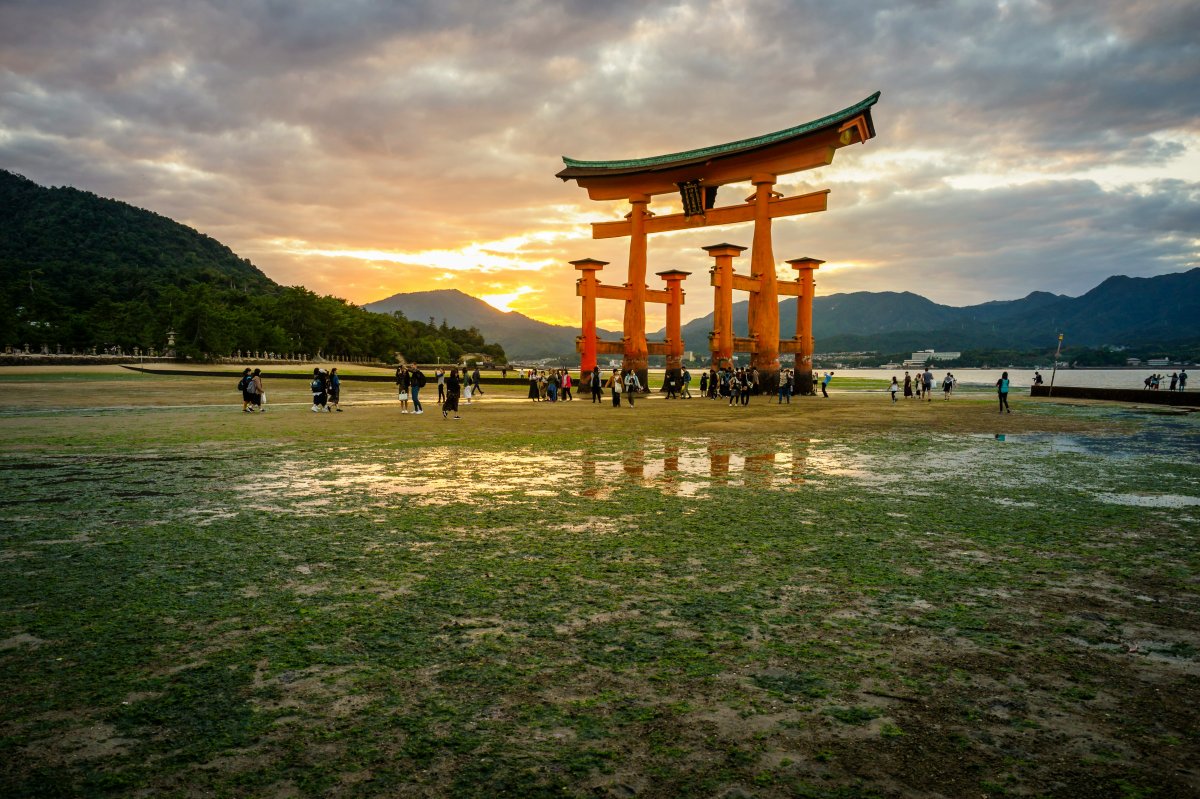
For a first solo trip, consider destinations where the practical logistics are straightforward, the language barrier is manageable, and the culture is accustomed to women dining and moving through public space alone. Japan is the gold standard for first-time solo female travel: it is extraordinarily safe by nearly every metric, public transportation is impeccable, the culture of solo dining is well-established (counter seating at ramen shops, sushi bars, and even fine dining restaurants is normal and comfortable), and the language barrier, while real, is manageable with translation apps and the willingness to navigate with patience. Tokyo, Kyoto, and Osaka are all excellent choices, and the Japan Rail Pass makes inter-city travel seamless.
In Europe, the Nordic countries — Denmark, Norway, Sweden, Iceland, and Finland — are exceptionally safe and welcoming to solo women, with high levels of English proficiency and cultures that respect individual autonomy. Copenhagen, Stockholm, and Reykjavik are compact, walkable cities with strong cafe cultures that make solo dining feel natural. For a warmer first solo trip, Portugal offers a compelling combination of safety, affordability, beauty, and a culture that is notably less prone to street harassment than some of its Mediterranean neighbors. Lisbon and Porto are both excellent bases with rich cultural offerings and a growing community of solo travelers and digital nomads.
Destinations for Experienced Solo Travelers
Once you have a few solo trips under your belt, the world opens up considerably. Morocco, India, and Egypt are frequently cited as challenging destinations for solo women due to persistent street harassment and cultural norms that associate unaccompanied women with vulnerability — but they are also among the most rewarding destinations on earth, and thousands of women travel through them solo every year by employing specific strategies: dressing more conservatively than they might at home, hiring trusted local guides for certain experiences, and staying in women-friendly riads and hotels where the staff are accustomed to solo female guests. The key is to research not just the country but the specific neighborhoods, accommodations, and transportation methods that experienced solo women recommend, which are often documented in detail on forums like Reddit’s solotravel community, the Solo Female Traveler Network on Facebook, and individual travel blogs that provide granular, recent information.
Part Two: Safety — Practical, Not Paranoid
Pre-Trip Preparation
The most effective safety measures happen before you leave home. Share your itinerary — including flight numbers, hotel addresses and phone numbers, and planned activities — with at least two trusted people at home, and establish a regular check-in schedule. The Find My Friends or Life360 apps allow designated contacts to see your location in real time, which provides peace of mind for both you and them. Register with your country’s embassy or consulate in each destination through programs like the U.S. State Department’s Smart Traveler Enrollment Program (STEP), which provides safety alerts and makes it easier for the embassy to reach you — or reach out on your behalf — in an emergency. Photocopy your passport, driver’s license, and credit cards, and store the copies separately from the originals, ideally in encrypted cloud storage that you can access from any device. Know the local emergency numbers (112 works throughout the European Union, but many countries have additional specific numbers for police, ambulance, and fire). Download offline maps of your destination in Google Maps or Maps.me so you are never dependent on a data connection to navigate.
Situational Awareness: The Most Important Skill
Situational awareness is not paranoia — it is the practice of paying attention to your environment and the people in it, and it is the single most important safety skill for any traveler. The fundamentals: when you arrive at a new place, take 30 seconds to identify the exits. Notice who is paying attention to you and who seems to be paying attention to everyone. Trust your instincts absolutely — if a person, street, or situation makes you uncomfortable, leave immediately, without worrying about being polite. Women are socialized to prioritize others’ feelings over their own safety signals, and unlearning this reflex is a conscious practice. The book The Gift of Fear by Gavin de Becker, widely recommended in solo travel communities, makes a compelling case that intuition is a form of pattern recognition that operates faster than conscious thought and should be treated as reliable data, not dismissed as anxiety.
Accommodation Safety
Choose accommodations thoughtfully. For solo women, a hotel with a 24-hour front desk is generally safer than a ground-floor Airbnb with an exterior entrance. When booking Airbnbs, filter for Superhost and read reviews specifically from solo female travelers. Avoid ground-floor units with street-access windows or doors. Upon arrival, note whether your room door has a peephole, a deadbolt, and a chain or swing-bar lock — bring a portable door lock or doorstop alarm (available for under $20 from brands like Addalock and Sabre) if you are unsure. Request a room on a higher floor rather than the ground floor, but not at the very end of a long corridor. When checking in, if the front desk agent announces your room number aloud in a lobby with other guests, politely ask to be reassigned to a different room and for the number to be written down rather than spoken. This is a standard request that good hotels handle without question.
Moving Through the City
Walk with purpose. Even if you are lost — especially if you are lost — maintain confident body language: shoulders back, pace steady, eyes scanning. Stop to check your phone or map inside a cafe or shop rather than on the street. At night, use rideshare apps (Uber, Bolt, Grab, or the local equivalent) rather than hailing taxis on the street, because the app creates a record of your driver, vehicle, and route. Before getting into any car, verify that the license plate matches the app and that the driver knows your name before you provide it. Sit in the back seat. Follow your route on your own phone’s map to ensure the driver is not deviating. A simple doorstop alarm — a small wedge that emits a piercing 120-decibel siren when pressure is applied — can provide additional security in accommodations with questionable locks and weighs less than 4 ounces in your bag.
Managing Unwanted Attention
Street harassment varies enormously by culture, from the relatively rare experience of walking through Tokyo to the unfortunately common experience of walking through certain neighborhoods in Cairo or Delhi. Different strategies work in different contexts, but several are widely recommended across environments: avoid eye contact with men who are soliciting attention (in many cultures, eye contact is interpreted as an invitation); wear sunglasses to obscure where you are looking; respond to questions about whether you are traveling alone with a firm no, I am meeting my husband or friends — a simple wedding band (a plain band costs under $20 and weighs nothing) worn on your left ring finger is a universally understood signal that deters some approaches. When you do need to disengage from unwanted conversation, use a firm, low-pitched no, thank you and keep walking — do not stop moving, do not apologize, do not explain. The goal is to be boring and unreachable, not polite.
Part Three: Dressing for Confidence on the Road
The Psychology of Travel Dressing
What you wear affects how you feel, and how you feel affects how you move through the world — and how the world responds to you. This is not about victim-blaming (street harassment occurs regardless of clothing choices, as the exhibition What Were You Wearing? has powerfully documented), but about the practical reality that clothing can project confidence, signal cultural respect, and help you blend in rather than stand out as a tourist. The goal for solo female travelers is to dress in a way that makes you feel powerful, competent, and appropriate to your context — and that reduces the low-level friction of unwanted attention that makes solo travel exhausting.
In practical terms, this usually means: dressing somewhat more conservatively than you might at home, particularly in cultures where local women cover their shoulders, knees, and cleavage in public. Observing local norms is both a gesture of respect (which locals appreciate and often reciprocate with warmer treatment) and a strategy for moving through public space with less scrutiny. A scarf or pashmina that lives in your day bag is a versatile tool: it can cover bare shoulders when entering a religious site, wrap around your waist as an improvised skirt over shorts, provide warmth on an aggressively air-conditioned train, and signal that you understand and respect local dress codes.
The Solo Travel Uniform: Principles
The ideal solo travel wardrobe projects three messages simultaneously: I am competent (not lost, not vulnerable, not a target), I respect this place (culturally aware, appropriately dressed), and I feel good in my skin (confident, comfortable, ready for adventure). The specific garments vary by destination, but the principles are consistent across cultures and climates:
Fabrics that perform. Merino wool, silk blends, technical knits, and high-twist cotton travel better than conventional fabrics — they resist wrinkles, wick moisture, regulate temperature, and resist odor. A merino t-shirt can be worn three or four times between washes without developing odor, which means you can pack fewer pieces. Technical travel fabrics from brands like Anatomie, Royal Robbins, and Athleta are designed specifically for this purpose: they look like normal clothing but perform like athletic wear. The aesthetic has evolved dramatically in the past five years, and it is now possible to build an entire travel wardrobe from technical fabrics that no one would identify as travel clothing.
Silhouettes that move. Tight, restrictive clothing reads differently when you are traveling than when you are at a party. On a solo trip, you want to be able to run for a train, climb a cathedral tower, sit cross-legged in a park, and shift from daytime exploration to evening dining without a complete outfit change. Slim trousers with elastane, midi skirts with comfortable waistbands, wrap dresses that adjust to your body, and looser-cut blouses that breathe are all more practical — and look more elegant in motion — than anything that requires constant adjustment.
Colors that cooperate. A cohesive color palette that allows every top to work with every bottom is even more important for solo travel than for accompanied trips, because you do not have a companion’s suitcase to borrow from if your packing strategy fails. Choose two neutrals (navy and cream, black and camel, charcoal and blush) and one accent color, and build the entire wardrobe within that framework. This ensures that even when you are tired, disoriented, and getting dressed in a dimly lit hotel room, everything in your suitcase will coordinate.
Part Four: Dining Alone — The Art and the Pleasure
Reframing the Solo Table
For many women, the prospect of dining alone is the most daunting aspect of solo travel. The vulnerability of being seated alone at a table, the perceived judgment of other diners, the awkwardness of the moment between ordering and the food arriving when there is no conversation to fill the silence — these anxieties are real and widely shared. But they are also largely projections. In reality, no one in the restaurant is paying sustained attention to you. The other diners are absorbed in their own conversations and their own meals, and the staff are focused on service. The feeling of exposure is internal, not external, and the only way to dissolve it is through practice.
Practical Strategies for Solo Dining
Start with environments where solo dining is normalized: counter-service restaurants, food halls, cafes with communal tables, and sushi bars with counter seating. These settings provide the structure of a meal without the exposure of a lone table in the center of a dining room. For table-service restaurants, eat at the bar if one is available — bartenders in good restaurants are often excellent conversationalists and can provide local recommendations, and eating at the bar signals that you are a confident, experienced traveler. Make reservations for an early time slot (6:00 or 6:30 PM) when restaurants are quieter and staff have more bandwidth to make you feel welcome. Bring a book or a journal — they are not just props but genuine pleasures, and the opportunity to eat a good meal while reading a good book without interruption is one of life’s underrated joys. If you are uncomfortable looking at your phone throughout the meal, a physical book or a Moleskine you write in projects a different energy.
When the host asks how many in your party, say just one rather than apologizing with only one. The difference in framing matters internally even if the host does not register it. You are not a diminished party; you are a complete party of one, exactly as you intended. If you are uncomfortable with the table you are offered — perhaps it is in the back corner next to the service station, a seating choice that some restaurants reflexively make for solo diners — politely ask for a different table. Asking whether it would be possible to sit by the window instead is a reasonable request, and you are paying for your meal the same as any other customer.
Dining Safety
Do not leave your drink unattended, ever. If you need to use the restroom, either finish your drink or abandon it and order a fresh one when you return. Trust your instincts about fellow diners who seem overly interested in your solo status — it is perfectly acceptable to tell a persistent interlocutor that you are waiting for someone or that you would prefer to read your book. Know your alcohol tolerance and stay well within it; being impaired in an unfamiliar city with no companion is a vulnerability you do not need. A glass of wine with dinner is a pleasure; a second cocktail alone at a bar is a decision to evaluate carefully. There is no shame in ordering sparkling water with lime — it looks like a gin and tonic and no one will question it.
Part Five: Making Connections Without Compromising Safety
Finding Your People on the Road
Solo travel is not lonely travel unless you want it to be. The infrastructure for meeting fellow travelers has never been stronger. Walking tours (both free tip-based tours and paid specialty tours) are an ideal way to meet people in a structured, low-pressure environment — you have a shared activity, a built-in conversational topic, and a natural endpoint after which you can part ways or continue together. Cooking classes, food tours, wine tastings, and craft workshops create the same dynamic around a shared experience. Many cities have women-specific meetup groups, often organized through Facebook or Meetup.com, that welcome travelers to book clubs, hiking groups, and social events. Hostels are not just for twenty-somethings on gap years: many now offer private rooms, and the communal areas and organized activities provide instant social connection while the private room ensures you can retreat when you need solitude. The Generator and Selina chains have positioned themselves specifically as design-forward hostels that appeal to travelers in their thirties and forties who want the social atmosphere without the dormitory experience.
Managing New Acquaintances
When you meet people while traveling, the usual process of building trust — gradually, over weeks and months, in the context of your normal life — is compressed into hours or days. This acceleration is often a joy (travel friendships can be startlingly intimate and fast-forming) but requires conscious management. Do not share your hotel name or room number with people you have just met. Meet new acquaintances in public places rather than inviting them to your accommodation (and do not go to theirs). Let someone at home know who you are spending time with, where you are going, and when you expect to be back. Have your own transportation arranged so you are never dependent on a new acquaintance for a ride. These precautions are not a reflection on any individual person — they are habits that create a margin of safety that gives you the freedom to be open and spontaneous within a protected framework.
Part Six: The Solo Travel Mindset
Embracing the Discomfort
Solo travel is not always picture-perfect. There will be moments of loneliness, frustration, and boredom. You will sit in a beautiful piazza watching couples and families and feel a pang of exclusion. You will get lost, make mistakes, and occasionally wish you had someone to share the burden of small decisions with. These feelings are normal and do not mean you are doing it wrong — they are part of the experience, and they are often the moments from which the most growth comes. Learning to sit with discomfort, to distinguish between the kind of unease that signals danger (heed it) and the kind that signals growth (lean into it), is one of the core benefits of solo travel. It is a skill that transfers to every other domain of life.
Documenting Your Journey
Whether through journaling, photography, or simply collecting physical mementos (ticket stubs, postcards, a pressed flower from a garden), documenting your solo travels serves multiple purposes. It creates a record you will treasure later. It provides an activity during solo meals and quiet evenings. And the act of noticing — of looking at your experience carefully enough to describe it — deepens the experience itself. Write down not just what you did but how you felt, what you noticed, what surprised you. These notes, reread years later, will bring back the texture of the trip more vividly than photographs alone.
Returning Home
The transition back to normal life after a solo trip can be unexpectedly disorienting. You have been making every decision for yourself, answering to no one’s preferences or schedule, and operating at a level of alertness and presence that daily life at home rarely requires. The return can feel like a deflation. This is normal, and it is useful to anticipate it: give yourself a day or two at home before returning to work. Share your experience with people who are genuinely interested (not everyone will be, and that is fine — solo travel is impossible to convey to those who have not experienced it). And start planning the next trip, even if only in your imagination. The best way to integrate a travel experience is to understand it as part of an ongoing practice rather than a one-time event.
Sample Itinerary: A Week Alone in Lisbon
To make these principles concrete, here is a suggested structure for a first-time solo trip to Lisbon, Portugal — one of Europe’s safest, most welcoming, and most beautiful cities for women traveling alone:
Day 1 — Arrival and Orientation: Land at Humberto Delgado Airport. Take the metro (safe, efficient, well-signed) to your hotel in Baixa, Chiado, or Principe Real — neighborhoods that are central, walkable, and safe at night. Check into a hotel with a 24-hour front desk (the Memmo Alfama, the Lisbonaire, or the Hotel Santa Justa are all excellent solo-traveler choices). Spend the afternoon walking a self-guided route through Baixa and Chiado to get your bearings. Dinner at the Time Out Market — a food hall where solo dining is completely normal and you can sample from multiple vendors. Early to bed; travel days are exhausting.
Day 2 — Structured Exploration: Morning walking tour (free tip-based tours depart daily from Praca Luis de Camoes in Chiado — an excellent way to meet other travelers and get oriented to Lisbon’s geography and history). Afternoon at the Calouste Gulbenkian Museum, one of Europe’s finest small museums, with a peaceful garden cafe that is perfect for a solo lunch. Evening: attend a fado performance in Alfama at a small venue like Tasca do Chico or Mesa de Frades — fado houses are intimate and the focus is on the music, making them comfortable for solo attendees.
Day 3 — Day Trip: Take a train to Sintra (40 minutes from Rossio station). Visit Pena Palace, the Moorish Castle, and Quinta da Regaleira. Pack a picnic lunch to eat in the gardens. The train ride provides built-in reading and journaling time. Return to Lisbon in the late afternoon. Dinner at a restaurant with counter seating — Taberna da Rua das Flores is a classic choice where solo diners are warmly accommodated.
Day 4 — Creative Pursuits: Morning tile-painting workshop (Ceramica S.Vicente in Alfama offers excellent workshops where you will meet other travelers and create a meaningful souvenir). Afternoon exploring the LX Factory, a converted industrial complex filled with design shops, bookstores, and the excellent Ler Devagar bookshop with its flying-bicycle installation. Solo-friendly lunch at one of LX Factory’s many casual eateries. Evening at your leisure — this is a good night to try a restaurant you have researched and made a reservation for, perhaps in the Principe Real neighborhood.
Day 5 — Physical Activity: Morning yoga class (many studios in Lisbon welcome drop-in students — Yoga Studio Lisbon in Santos is traveler-friendly). Walk from your hotel through Alfama to the Flea Market (Feira da Ladra, Tuesday and Saturday only). Afternoon swimming at the rooftop pool of your hotel or a public pool — being in water is grounding and restorative during travel. Evening cooking class (Cooking Lisbon offers market tours followed by hands-on classes where everyone eats together — an ideal social solo travel experience).
Day 6 — Solo Practice: By this point in the trip, you are likely feeling more confident and oriented. This is the day to practice deeper solo skills: take yourself to a proper sit-down lunch alone, with a book; visit a museum at your own pace, spending as long as you like with each piece; walk without a map for an hour, just following what looks interesting; treat yourself to a nice dinner at a restaurant you have been wanting to try. The goal is to notice how natural solo navigation has started to feel.
Day 7 — Integration and Departure: Morning at a cafe, writing in your journal about the week — what you learned, what surprised you, what you would do differently next time. Final walks through your favorite neighborhoods. Airport transfer (book through your hotel or a rideshare app rather than hailing a taxi). Depart with the knowledge that you have done something genuinely difficult and important.
Conclusion: A Practice, Not a Performance
Solo travel is not a bucket-list item to check off. It is a practice, like meditation or exercise, that deepens with repetition. The first trip teaches you that you can do it. The fifth trip teaches you who you become when no one is watching. The twentieth trip has taught you a fluency in the world that feels less like a skill and more like a fundamental orientation — a quiet certainty that you can handle what comes, that you are good company for yourself, that the world, for all its challenges, is more welcoming than you were taught to believe.
Pack the doorstop alarm. Share your itinerary. Trust your instincts. Wear the clothes that make you feel like yourself. And then go — not because solo travel is safe (though it mostly is, and getting safer every year as infrastructure and awareness improve), but because it is worth the risk, the planning, and the occasional discomfort. The woman who comes home is not the same woman who left, and the difference is worth every challenging moment along the way.