
Introduction: The Case for a Capsule Wardrobe
Imagine opening your closet and knowing, without a moment of hesitation, that everything inside fits you perfectly, coordinates effortlessly, and makes you feel like the best version of yourself. That is the promise of a capsule wardrobe. Coined by Susie Faux, a London boutique owner, in the 1970s and popularized by designer Donna Karan in the 1980s, the capsule wardrobe concept has experienced a remarkable resurgence in recent years. The premise is deceptively simple: curate a collection of timeless, versatile pieces that can be mixed and matched to create countless outfits, then supplement with a few seasonal items as needed.
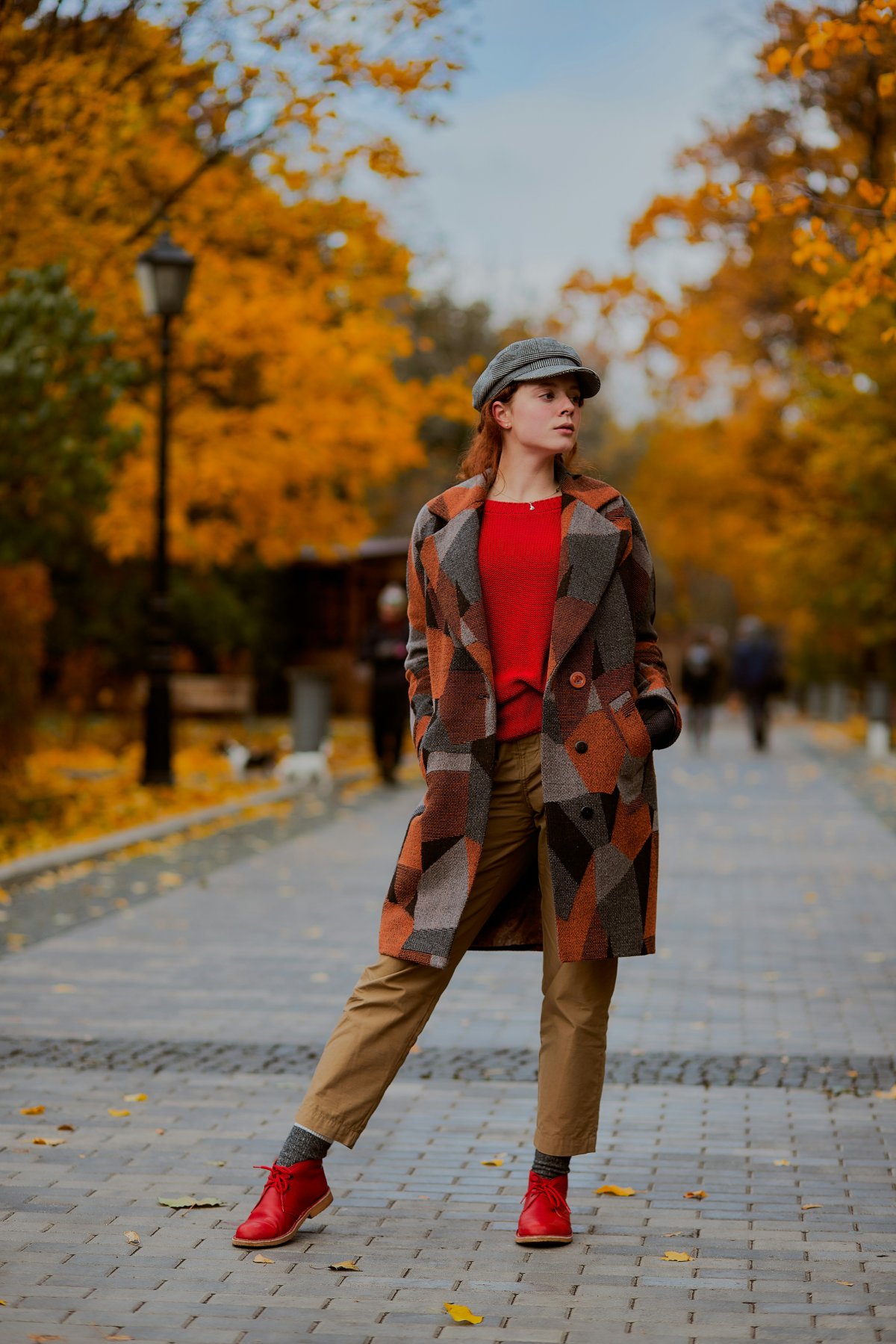
But a capsule wardrobe is about far more than just owning fewer clothes. It is a philosophy that challenges the fast fashion cycle and the culture of excess that has dominated the retail landscape for decades. It is about intentionality, sustainability, and reclaiming your relationship with clothing. When you strip away the noise of fleeting trends and impulse purchases, what remains is a clear picture of your authentic personal style. A well-constructed capsule wardrobe saves you time in the morning, reduces decision fatigue, saves money over the long term, and significantly lessens your environmental footprint. Studies suggest that the average person wears only 20 percent of their wardrobe regularly. A capsule wardrobe flips that statistic on its head, ensuring that every piece earns its place.
In this guide, we will walk through every step of building a capsule wardrobe that works year-round. From auditing your existing closet to selecting foundational pieces, mastering the art of seasonal layering, and maintaining your capsule over time, you will finish with a clear, actionable roadmap to a more streamlined and stylish wardrobe.
Step One: The Closet Audit
Before you can build your capsule wardrobe, you need to understand what you already own. The closet audit is perhaps the most emotionally challenging part of the process, but it is also the most essential. Set aside at least three to four hours for this task. A weekend afternoon works best. Begin by removing every single item of clothing from your closet, drawers, and storage bins. Pile everything onto your bed or a clean floor space. Seeing the full volume of your wardrobe in one place is often a sobering experience, and that is precisely the point. You cannot make intentional decisions about what to keep if you do not fully grasp the scale of what you have accumulated.
As you sort through each item, ask yourself a series of honest questions. Does this piece fit you well right now, not five pounds from now? Have you worn it in the past twelve months? Does it align with the style direction you want to move toward? Is it in good condition, free of stains, pilling, or irreparable damage? Does it make you feel confident when you put it on? If the answer to any of these questions is no, the item goes into one of three piles: donate, sell, or recycle. Be ruthless but not wasteful. High-quality pieces that no longer serve you can be sold on resale platforms like The RealReal, Depop, or Poshmark. Gently worn basics can go to local shelters or clothing drives. Items that are too worn for donation should be taken to textile recycling programs, which many municipalities and retailers now offer.
During the audit, take notes. Pay attention to patterns. Do you own seven nearly identical white button-downs but no well-fitting trousers? Do you have a closet full of party dresses but nothing to wear to a casual brunch? These observations are clues about your actual lifestyle versus the aspirational one your shopping habits have been catering to. The goal of a capsule wardrobe is to dress the life you actually lead, not the one you imagine you might lead someday. Keep a running list of the gaps you identify. This list will become your shopping guide later.
Defining Your Personal Style Framework
With your closet pared down to the pieces you genuinely wear and love, the next step is to define your personal style framework. This is where many capsule wardrobe attempts go wrong. People blindly follow a generic checklist they found online, only to realize six weeks later that they have built a wardrobe for someone else. Your capsule must reflect your life, your tastes, your climate, and your comfort level. Start by creating a style mood board, either physical or digital. Pinterest is an excellent tool for this. Pin outfits that resonate with you, not just ones that look good on the model. Look for recurring themes in your pins. Do you gravitate toward neutral palettes with clean lines, or are you drawn to bold prints and eclectic layering? Is your taste more structured and tailored, or relaxed and bohemian?
Next, conduct a lifestyle audit. For two weeks, keep a simple log of your daily activities and what you wore. This exercise will reveal how you actually spend your time. A typical breakdown might show that you spend 40 percent of your week in casual settings, 30 percent at work, 15 percent exercising, 10 percent at social events, and 5 percent at formal occasions. Your capsule wardrobe should roughly mirror these proportions. If 40 percent of your life is casual, then roughly 40 percent of your capsule should be casual pieces. This seems obvious, yet most wardrobes are wildly out of sync with the lives of the people who own them.
Finally, choose a color palette. A cohesive color story is the secret ingredient that makes a capsule wardrobe work so effortlessly. Start with two or three neutral base colors. These are the foundation hues for your most significant pieces: trousers, blazers, coats, and shoes. Common choices include black, white, cream, navy, camel, charcoal, and olive. To these neutrals, add three to five accent colors that complement both the neutrals and each other. These accent colors can appear in tops, accessories, and seasonal pieces. Consider your skin tone, hair color, and the colors that earn you the most compliments. A well-chosen palette means that virtually every top matches every bottom, and every accessory coordinates with every outfit. That is the magic of the capsule.
The Core Pieces: Building Your Foundation
Now we arrive at the heart of the capsule wardrobe: selecting the core pieces. While the exact composition varies from person to person, a well-rounded year-round capsule typically contains between 30 and 40 pieces, excluding underwear, sleepwear, and activewear. These pieces are divided into categories. Let us walk through each category with specific recommendations.
Tops: The Canvas of Your Outfit
Your top collection should include a mix of silhouettes and sleeve lengths to accommodate layering across seasons. Start with two to three basic crewneck or V-neck t-shirts in your neutral colors. Look for mid-weight cotton or cotton-modal blends that hold their shape after washing. Everlane, Uniqlo, and COS are excellent sources for high-quality basics at accessible price points. Add one to two silk or satin blouses for dressier occasions. A well-cut silk blouse in cream or ivory elevates jeans instantly and pairs beautifully with tailored trousers and skirts. Include two to three button-down shirts, with at least one in crisp white cotton and another in a relaxed fabric like chambray or oxford cloth. A striped Breton shirt adds a touch of French-girl insouciance and has been a style staple since Coco Chanel introduced it over a century ago. Round out your tops with one to two lightweight sweaters in fine-gauge merino wool or cashmere. These layer beautifully under blazers and over collared shirts during transitional months.
Bottoms: The Foundation of Versatility
Bottoms ground every outfit, so choose them wisely. A pair of well-fitting straight-leg or wide-leg jeans in a dark wash is non-negotiable. Dark denim reads as more polished than light washes and transitions seamlessly from day to evening. Add a pair of tailored trousers in a neutral color like black, navy, or charcoal. Look for wool or wool-blend fabrics that drape well and resist wrinkling. A neutral-colored skirt, whether a midi slip skirt in silk or a structured A-line in cotton twill, expands your outfit possibilities significantly. Include one pair of casual pants, such as well-cut joggers or relaxed linen trousers for warmer months. If your lifestyle skews casual, consider adding a second pair of jeans in a different silhouette, perhaps a slim-cut or a relaxed boyfriend fit.
Dresses and Jumpsuits
Even if you do not wear dresses daily, having two to three options in your capsule provides effortless one-piece outfits for days when you want to look put-together with minimal effort. A little black dress is the classic choice, but consider a little neutral dress in navy, charcoal, or taupe if black is not your color. A wrap dress in a midi length flatters nearly every body type and works across seasons with the right layering. A shirt dress in cotton or chambray offers casual polish for daytime. If dresses are not your preference, a well-cut jumpsuit in a solid neutral serves the same purpose and offers a modern, architectural silhouette.
Outerwear and Layers
Outerwear makes or breaks a capsule wardrobe. A tailored blazer is perhaps the single most transformative piece you can own. It sharpens casual outfits, completes professional looks, and can even be thrown over a slip dress for evening. Choose a single-breasted style in a year-round wool or wool blend. A classic trench coat is another indispensable layer, bridging the gap between seasons with its water-resistant fabric and timeless silhouette. For colder months, a wool coat in a knee-length or midi length provides warmth and polish. A denim jacket or a leather moto jacket adds an edge to feminine dresses and floral prints. Finally, invest in one high-quality cardigan or knit jacket that can function as both indoor layering and light outerwear.
Footwear: The Foundation You Walk On
Shoes can make or break an outfit, and they need to work hard in a capsule wardrobe. Aim for five to seven pairs total. Start with a pair of white leather sneakers. They pair with everything from jeans to midi dresses and have become a modern classic. Add a pair of black or nude pointed-toe flats or loafers for polished casual looks. Include one pair of ankle boots with a manageable heel for transitional weather. A pair of classic pumps or heeled sandals in a neutral color covers formal and evening occasions. Depending on your climate and lifestyle, add weather-appropriate options: knee-high boots for winter, strappy flat sandals for summer, or sleek weatherproof boots for rainy seasons. Quality matters enormously with shoes. Cheap shoes wear out quickly, hurt your feet, and can downgrade an otherwise impeccable outfit. Invest in the best you can afford, and maintain them with regular cleaning, polishing, and resoling as needed.
Mastering Seasonal Transitions
A year-round capsule wardrobe does not mean wearing the exact same pieces in August and January. It means your core foundations remain constant while seasonal rotation pieces and layering techniques adapt to the weather. The key to year-round success lies in understanding how to layer effectively and knowing which pieces to swap in and out as seasons change.
Spring: The Season of Rebirth
As winter recedes, pack away your heaviest wool sweaters and coats and bring out lighter layers. Spring is the ideal season for trench coats, lightweight knits, and silk scarves. Swap dark, heavy fabrics for pastel or floral accent pieces. A silk scarf tied around your neck, wrist, or handbag handle injects seasonal color without requiring new clothing. This is also the moment to transition your footwear, swapping knee-high boots for ballet flats, loafers, and white sneakers. Spring is unpredictable, so keep a lightweight trench or utility jacket within reach for sudden showers and temperature drops.
Summer: Embracing Ease
Summer capsule pieces should prioritize breathable fabrics: cotton, linen, chambray, and lightweight silk. This is the time to rotate in linen trousers, cotton shorts, breezy midi dresses, and sleeveless tops. Your neutral color palette serves you well here, as light neutrals like white, cream, and beige feel seasonally appropriate and reflect heat. Accessories take on greater importance in summer when outfits are simpler. Statement sunglasses, straw hats, and woven bags add texture and personality. Footwear shifts to sandals, espadrilles, and open-toe options. Remember that summer layering still matters for air-conditioned interiors. Keep a lightweight cardigan or a linen blazer on hand.
Autumn: The Layering sweet Spot
Autumn is arguably the most rewarding season for a capsule wardrobe because it is the season of layering. Temperatures fluctuate dramatically, sometimes within a single day, and the ability to add or remove layers is essential. Bring back your blazers, lightweight wool sweaters, and ankle boots. Begin incorporating richer accent colors like burgundy, forest green, mustard, and rust. These autumnal hues pair beautifully with your neutral base of camel, navy, and charcoal. A wool blazer over a silk blouse, worn with dark denim and ankle boots, is the quintessential autumn uniform. Scarves return as both practical warmth and style accents.
Winter: The Art of Warmth
Winter tests a capsule wardrobe most rigorously because warmth and bulk must coexist with style. The secret is thermal base layers. Merino wool or silk-blend long-sleeved tops worn beneath your regular clothing add significant warmth without visible bulk. Turtlenecks in fine-gauge cashmere or merino become your best friends, layering under blazers, dresses, and even button-down shirts. Your heaviest wool coat earns its place in winter, as do knee-high boots, leather gloves, and a quality wool scarf. Do not neglect texture in winter; cable knits, cashmere, wool felt, and leather add visual depth to outfits that might otherwise rely on a monochromatic palette.
Maintaining Your Capsule Over Time
Building a capsule wardrobe is an achievement, but maintaining it is the ongoing practice. The most important rule is the one-in-one-out principle. When you add a new piece to your capsule, remove an existing one. This keeps your total piece count stable and forces you to consider each new purchase carefully. Before buying anything new, ask yourself whether it works with at least three existing pieces in your wardrobe. If it does not, it will become an orphan that hangs unworn.
Conduct a mini-audit at the start of each season. As you rotate seasonal pieces in and out, inspect each item for wear and tear. Repair loose buttons, fix small holes, treat stains, and depill knits before storing them. Proper storage extends the life of your clothing significantly. Use padded hangers for delicate blouses and dresses. Fold heavy knits to prevent shoulder stretching. Store off-season clothing in breathable cotton garment bags, never in plastic dry-cleaning bags that trap moisture and can yellow fabrics over time. Cedar blocks or lavender sachets deter moths naturally.
Be patient with yourself. A capsule wardrobe is not built in a weekend. It evolves over months and years as you refine your taste, replace worn pieces with higher-quality upgrades, and learn what truly works for your body and your life. The goal is not perfection but progress. Every intentional choice you make moves you closer to a wardrobe that simplifies your life and expresses your best self.
The Deeper Impact: Sustainability and Mindfulness
Beyond the practical benefits, a capsule wardrobe represents a meaningful shift in your relationship with consumption. The fashion industry is the second-largest polluter in the world, responsible for approximately 10 percent of global carbon emissions and nearly 20 percent of global wastewater. Fast fashion has conditioned consumers to view clothing as disposable, with the average garment being worn only seven to ten times before being discarded. Building a capsule wardrobe is an act of resistance against this destructive cycle. When you buy fewer, better pieces and wear them for years, you dramatically reduce your personal fashion footprint.
There is also a profound psychological benefit. Decision fatigue is a well-documented phenomenon. Every choice you make throughout the day depletes your mental energy. By eliminating the daily dilemma of what to wear, you conserve cognitive resources for more important decisions. Many highly productive people, from Steve Jobs with his signature black turtleneck to Barack Obama with his limited suit rotation, have embraced wardrobe simplification for precisely this reason. A capsule wardrobe clears mental clutter. Less time spent shopping, organizing, and deciding what to wear means more time for the pursuits that genuinely enrich your life.
Ultimately, a capsule wardrobe is about freedom. Freedom from the tyranny of trends. Freedom from the nagging feeling that you have nothing to wear despite a closet full of clothes. Freedom from the credit card bills that follow impulse shopping sprees. It is about stepping off the treadmill of consumption and rediscovering the pleasure of dressing with intention. When you look in the mirror and see an outfit composed entirely of pieces you love, that fit you perfectly, and that reflect who you are, you carry that confidence with you into the world. That is the true gift of the capsule wardrobe, and it is available to anyone willing to do the work of building it.