
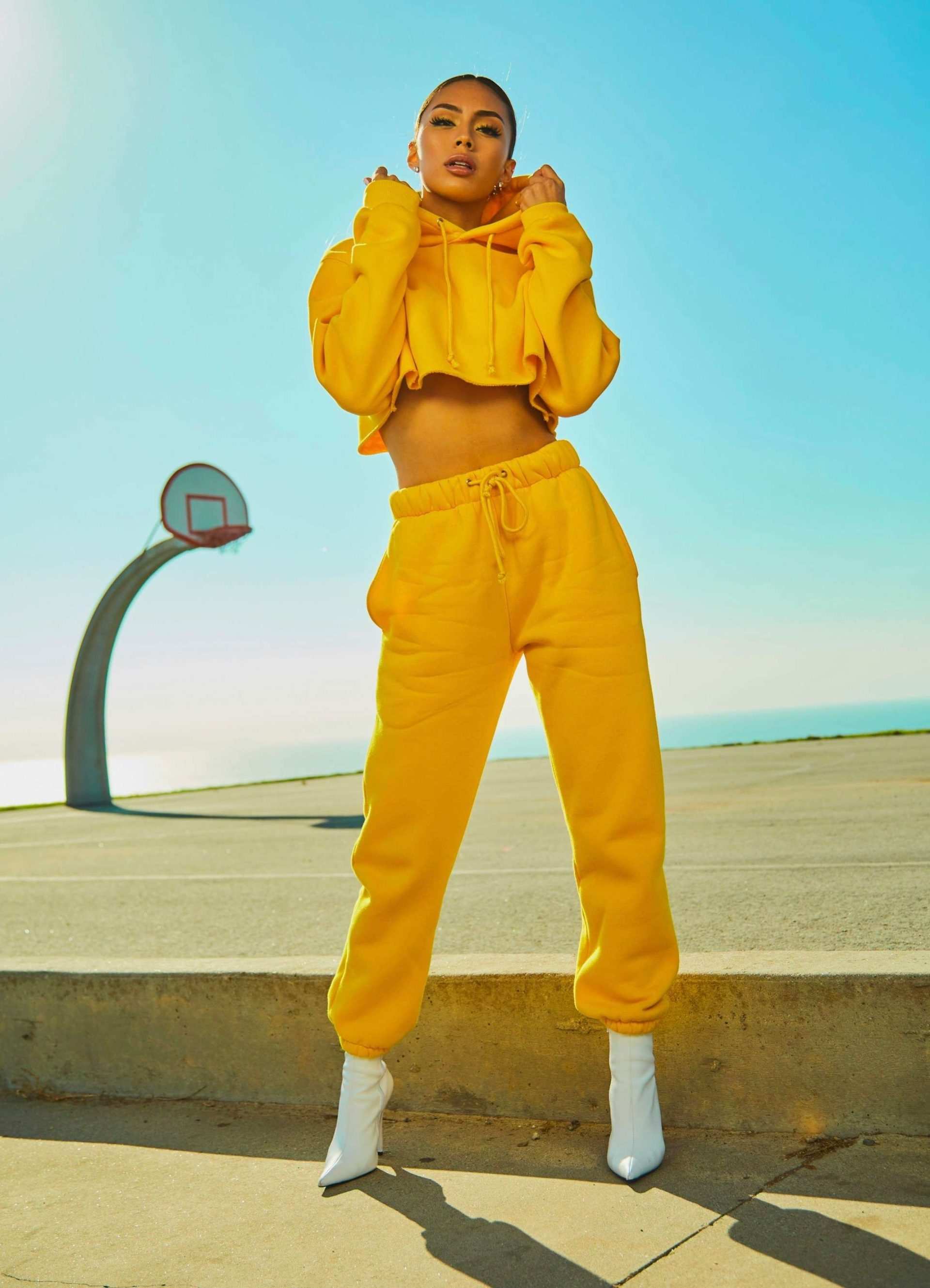
Introduction: When the Streets Became the Runway
There was a time, not so long ago, when fashion flowed in one direction. Designers in Paris, Milan, and New York dictated trends from the top down. Editors at glossy magazines anointed the season’s must-haves, and the consuming public followed dutifully. That hierarchy has been dismantled. Today, the most influential fashion moments are as likely to emerge from a teenager’s TikTok video in suburban Ohio as from a Chanel runway in the Grand Palais. Street style, once dismissed by the fashion establishment as the unruly domain of rebellious youth, has become the central creative engine of the entire industry.
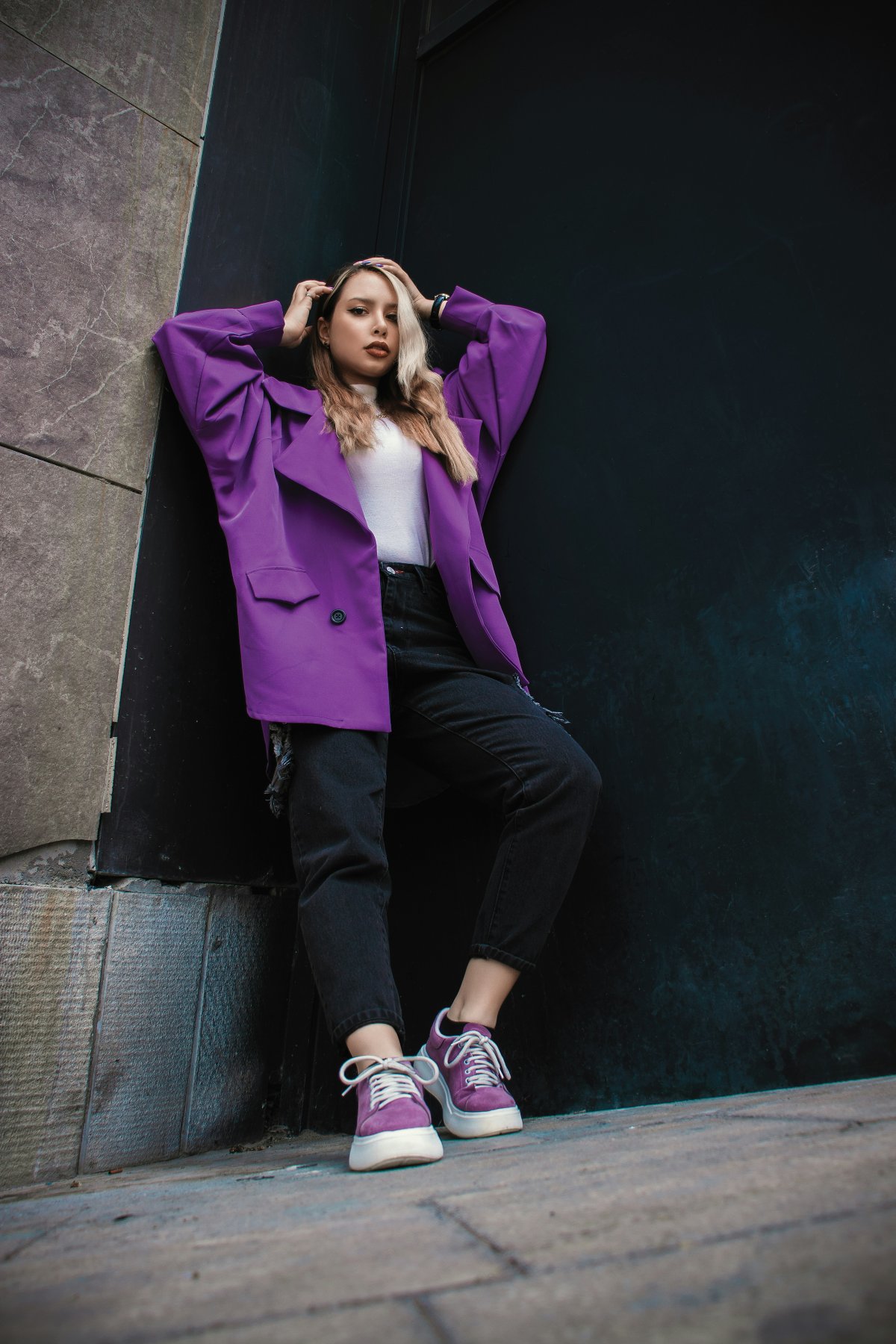
The term “street style” is deceptively simple. It encompasses a vast spectrum of expression: the defiant DIY aesthetic of 1970s punk, the oversized silhouettes and luxury logos of 1990s hip-hop, the functional cool of skate culture, the meticulous minimalism of Japanese street fashion, and the digitally amplified micro-trends of the social media era. What unites these disparate movements is a common origin: they were born not in design studios but on sidewalks, in clubs, at skate parks, and on street corners. They were created by young people using clothing to signal identity, belonging, and rebellion. Understanding the evolution of street style is understanding how fashion became democratized, how the boundary between high and low dissolved, and how personal style became one of the most powerful forms of self-expression available to anyone with a point of view.
This is the story of how the street conquered the runway, told through the subcultures, moments, and innovators who made it happen.
The Roots: Post-War Youth and the Birth of Subculture
To understand street style, we must start in the years following World War II. For the first time in history, young people in Western countries had disposable income, leisure time, and a growing sense of generational identity distinct from their parents. The concept of the teenager was born, and with it came the first recognizable youth subcultures built around music and clothing. In Britain, the Teddy Boys of the 1950s adopted Edwardian-inspired drape jackets, drainpipe trousers, and crepe-soled shoes. Their look was a deliberate subversion of upper-class style, appropriated and recontextualized by working-class youth. Across the Atlantic, American greasers wore leather jackets, white t-shirts, and blue jeans, channeling the rebellious charisma of Marlon Brando and James Dean.
These early subcultures established a template that would echo through every subsequent street style movement: take elements of existing fashion, remix them in ways the original wearers never intended, and use the resulting aesthetic to signal membership in a tribe. The Mods of 1960s London refined this formula to an art form. They spent their wages on slim-cut Italian suits, Fred Perry polo shirts, and Vespa scooters, obsessing over every detail with a fastidiousness that bordered on competitive. The Mod movement demonstrated that street style could be as considered and sophisticated as anything on a runway. It was fashion created from the ground up, driven by the taste and creativity of ordinary young people rather than the dictates of an elite.
Punk: The Great Disruption
No single subculture has had a more profound and lasting impact on fashion than punk. Emerging in the mid-1970s from the economic malaise and social unrest of both New York and London, punk was less a style than an act of aggression committed with clothing. Safety pins became jewelry. Trash bags became dresses. Ripped t-shirts held together with duct tape became statements of defiance. Punk did not just reject the fashion establishment; it declared war on the very idea that clothing should be beautiful, tasteful, or aspirational. In the hands of Vivienne Westwood and Malcolm McLaren, whose London boutique SEX became the movement’s epicenter, punk transformed the detritus of urban decay into a visual language of rage and refusal.
Punk’s influence on contemporary fashion cannot be overstated. What was once shocking is now foundational. Distressed denim, a staple of virtually every modern wardrobe, owes its existence to punk’s embrace of decay. Leather jackets, once the uniform of motorcycle gangs, became high-fashion items when designers recognized their punk-inflected cool. The DIY ethos that drove punk kids to customize their clothing with paint, patches, and safety pins anticipated today’s culture of personalization and upcycling. Every time you see a designer send a deconstructed garment down a runway or a fast-fashion brand sell pre-ripped jeans, you are witnessing punk’s long shadow. The movement taught the fashion world a lesson it has never forgotten: the most creative energy in clothing often comes from the margins, not the center.
Hip-Hop and the Remaking of Luxury
If punk taught fashion to embrace destruction, hip-hop taught it to embrace excess. Born in the Bronx in the late 1970s, hip-hop culture developed a distinctive visual language alongside its musical, dance, and artistic expressions. Early hip-hop style drew from the same well as the music: resourceful, creative, and unapologetically bold. Tracksuits, gold chains, bucket hats, and sneakers became the uniform of a generation. Brands like Adidas received an unexpected boost when Run-DMC released “My Adidas” in 1986, a moment that marked one of the first times a major corporation recognized the commercial power of street culture.
By the 1990s, hip-hop’s relationship with fashion had evolved into something far more complex and influential. Artists like The Notorious B.I.G., Tupac Shakur, and Jay-Z did not just wear clothes; they used fashion as a narrative device, signaling success, aspiration, and arrival. Luxury brands like Versace, Gucci, and Louis Vuitton appeared frequently in lyrics and music videos. Hip-hop was, in effect, demanding a seat at the table of high fashion, and the industry eventually had no choice but to listen. The watershed moment came in the early 2000s when Dapper Dan, the legendary Harlem designer who had been bootlegging luxury logos onto custom streetwear for years, went from being sued by fashion houses to being celebrated and eventually collaborated with by them. In 2017, Gucci released a jacket strikingly similar to one Dapper Dan had created in 1989, sparking a conversation about cultural appropriation that ultimately led to an official Gucci-Dapper Dan partnership and a Harlem atelier.
Hip-hop’s influence is now so thoroughly embedded in fashion that it is difficult to imagine the industry without it. The current creative director of Louis Vuitton menswear is Pharrell Williams, a musician and producer whose career began in hip-hop. Luxury sneakers, once an oxymoron, are now among the most coveted items in fashion. The logomania that has periodically swept through fashion since the 1990s owes a direct debt to hip-hop’s love of visible branding. Street style had conquered the highest echelon of fashion not by asking for permission, but by refusing to be ignored.
Skate Culture and the Rise of Functional Cool
While hip-hop was storming the gates of luxury, a quieter but equally significant street style revolution was unfolding on the asphalt of skate parks and the concrete ledges of urban plazas. Skateboarding culture developed its own aesthetic language, driven by the functional demands of the sport. Loose-fitting jeans allowed for freedom of movement. Durable canvas sneakers with grippy soles, particularly Vans and later Nike SB models, provided board control. Graphic t-shirts from skate brands like Supreme, Thrasher, and Palace served as badges of insider knowledge.
What made skate style so influential was its complete indifference to mainstream fashion approval. Skaters dressed for each other, not for an external audience. The authenticity of that indifference became, paradoxically, enormously attractive to the fashion world. Supreme, founded by James Jebbia in 1994 as a small skate shop in downtown Manhattan, evolved into one of the most influential brands in the world, eventually valued at over two billion dollars. Its collaborations with Louis Vuitton in 2017 symbolized the final dissolution of the boundary between streetwear and luxury. The kid in the skate park and the executive in the boardroom were suddenly coveting the same box-logo hoodie.
Skateboarding’s aesthetic legacy extends far beyond any single brand. The language of streetwear, oversized silhouettes, utilitarian details, workwear influences, and the centrality of the sneaker, draws heavily from skate culture. Carhartt, Dickies, and other workwear brands were adopted by skaters for their durability and affordability long before they became fashion staples. The dad hat, the beanie, the hoodie layered under a jacket: these are the building blocks of contemporary casual dressing, and they arrived via skateboarding. The lesson of skate culture is that the most enduring style innovations often come not from trying to look cool, but from dressing for a purpose.
The Internet Era: Democratization and Micro-Trends
The arrival of the internet, and particularly social media, transformed street style from a set of geographically anchored subcultures into a global, hyper-accelerated phenomenon. The early 2000s saw the rise of street style blogs like The Sartorialist and Face Hunter, which turned ordinary pedestrians into international style icons. Photographer Scott Schuman of The Sartorialist democratized fashion influence by proving that a stylish stranger on a Milan street corner could generate as much interest as a celebrity on a red carpet. For the first time, inspiration flowed laterally, peer to peer, across continents, rather than vertically from institution to consumer.
Instagram, launched in 2010, supercharged this dynamic. Fashion influencers emerged as a new class of tastemaker, building massive followings by documenting their daily outfits. The barrier to entry for fashion influence collapsed. You no longer needed a magazine editorship or a designer pedigree to shape how people dressed. A keen eye, a consistent aesthetic, and an internet connection were enough. This era also saw the acceleration of trend cycles. A look that once would have bubbled up through a subculture over years could now emerge, peak, and fade within weeks. Micro-trends like cottagecore, dark academia, gorpcore, and blokecore spread through TikTok and Instagram with viral velocity, each one remixing elements of heritage, nostalgia, and identity into new aesthetic packages.
The internet did not just change the speed of trends; it changed their nature. Digital street style is less about signaling membership in a physical community, as punk or hip-hop style originally was, and more about constructing a visual identity for a digital audience. The street is no longer just a physical location. It is also a platform. Outfits are created with the photograph in mind. The sidewalk outside a fashion show has become as important as the runway itself, with attendees orchestrating meticulously planned looks designed to be captured, shared, and scrutinized online. Street style has become a performance, a content genre, and a global conversation happening in real time.
Japanese Street Fashion: A Parallel Universe
No discussion of street style is complete without acknowledging the extraordinary creativity of Japanese street fashion, particularly the Harajuku district of Tokyo. Beginning in the 1980s and reaching its zenith in the 1990s and 2000s, Harajuku became a laboratory of style experimentation unlike anything the world had seen. Subcultures proliferated at bewildering speed: the Gothic Lolitas in their Victorian-inspired dresses and parasols, the Visual Kei fans in dramatic makeup and elaborate hair, the Gyaru with their tanned skin and platform shoes, the Decora kids covered head to toe in colorful accessories. Each group developed its own elaborate dress code, its own visual language, its own publications documenting the scene.
What set Japanese street fashion apart was the sheer intensity of its creativity and the freedom from Western fashion hierarchies. Japanese youth did not reference European luxury or American casual wear in the same way their Western counterparts did. They invented from whole cloth, or at least from a remixed cultural vocabulary that drew on anime, manga, traditional Japanese aesthetics, and global pop culture filtered through a distinctly Japanese sensibility. Magazines like FRUiTS, founded by photographer Shoichi Aoki in 1997, documented the Harajuku scene with anthropological precision, preserving images of outfits that pushed the boundaries of what clothing could communicate. While the scene has evolved and in some ways contracted in recent years, its influence on global fashion, from the avant-garde collections of Rei Kawakubo and Yohji Yamamoto to the playful eclecticism of contemporary streetwear, remains profound.
Where Street Style Goes From Here
As we look toward the future, several forces are reshaping street style once again. The first is sustainability. The overconsumption that characterized the fast-fashion era is increasingly at odds with the values of younger consumers, who are more environmentally conscious than any previous generation. Thrifting, upcycling, clothing rental, and resale platforms are transforming how street style is sourced and consumed. The most creative street style looks today are as likely to feature vintage finds and DIY modifications as new purchases. The punk ethos of making something from nothing has found a new resonance in an era of climate crisis.
The second force is the continued blurring of gender boundaries in fashion. Street style has always been more fluid than the gendered categories of traditional fashion, and that fluidity is increasingly the norm rather than the exception. Young men wear skirts and pearls. Young women wear oversized suits and workwear. The street has become a space where gender norms are questioned, remixed, and often abandoned entirely. This generational shift is reshaping the product offerings of major brands and the visual language of fashion media.
The third force is the maturation of digital fashion. Virtual clothing, digital influencers, and augmented reality try-ons are no longer science fiction. As more of our lives move into digital spaces, the concept of street style may expand to include outfits that exist only online, worn by avatars in virtual worlds. The street of the future may be a metaverse plaza as much as a physical sidewalk.
What remains constant across all these changes is the core principle of street style: it belongs to the people who create it, not to the institutions that seek to commercialize it. Street style is fashion’s most vital creative force because it emerges from authentic human expression rather than commercial calculation. As long as there are young people using clothing to say something about who they are and where they belong, the street will continue to lead, and the runway will continue to follow.
