
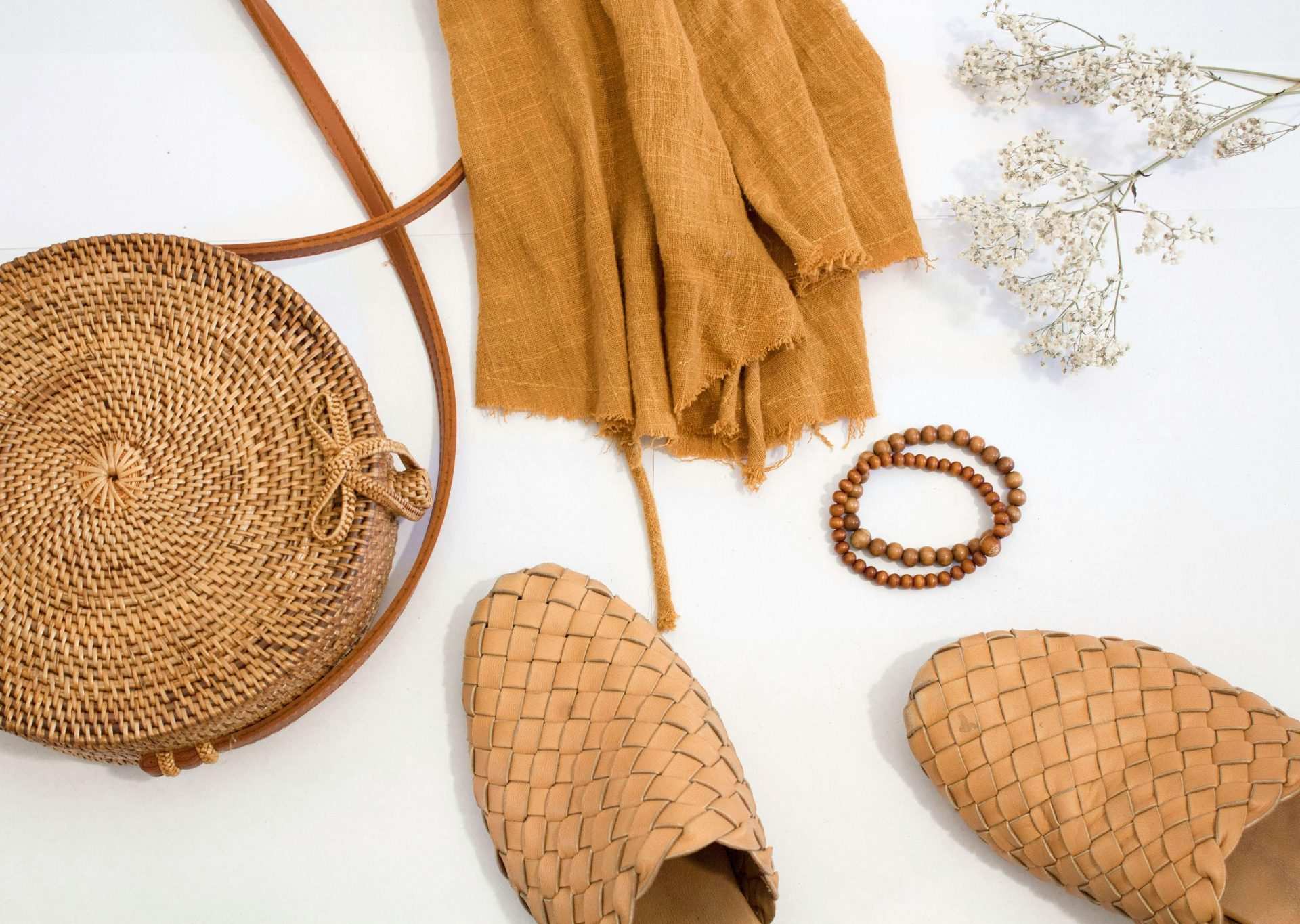
Introduction: The Transformative Power of Accessories
A plain white t-shirt and jeans. It is perhaps the most ordinary outfit imaginable, worn by millions of people every day. Yet with the right accessories, that same white t-shirt and jeans can read as effortlessly chic, edgy, romantic, professional, or avant-garde. The difference between an outfit that merely covers your body and one that expresses your personality often comes down to what you add to it. Accessories are the punctuation marks of personal style. They provide emphasis, rhythm, and nuance. They tell the viewer where to look and what to feel. A sharp black blazer with tailored trousers is competent. The same outfit with a strand of pearls, a structured leather handbag, and pointed-toe pumps is commanding.
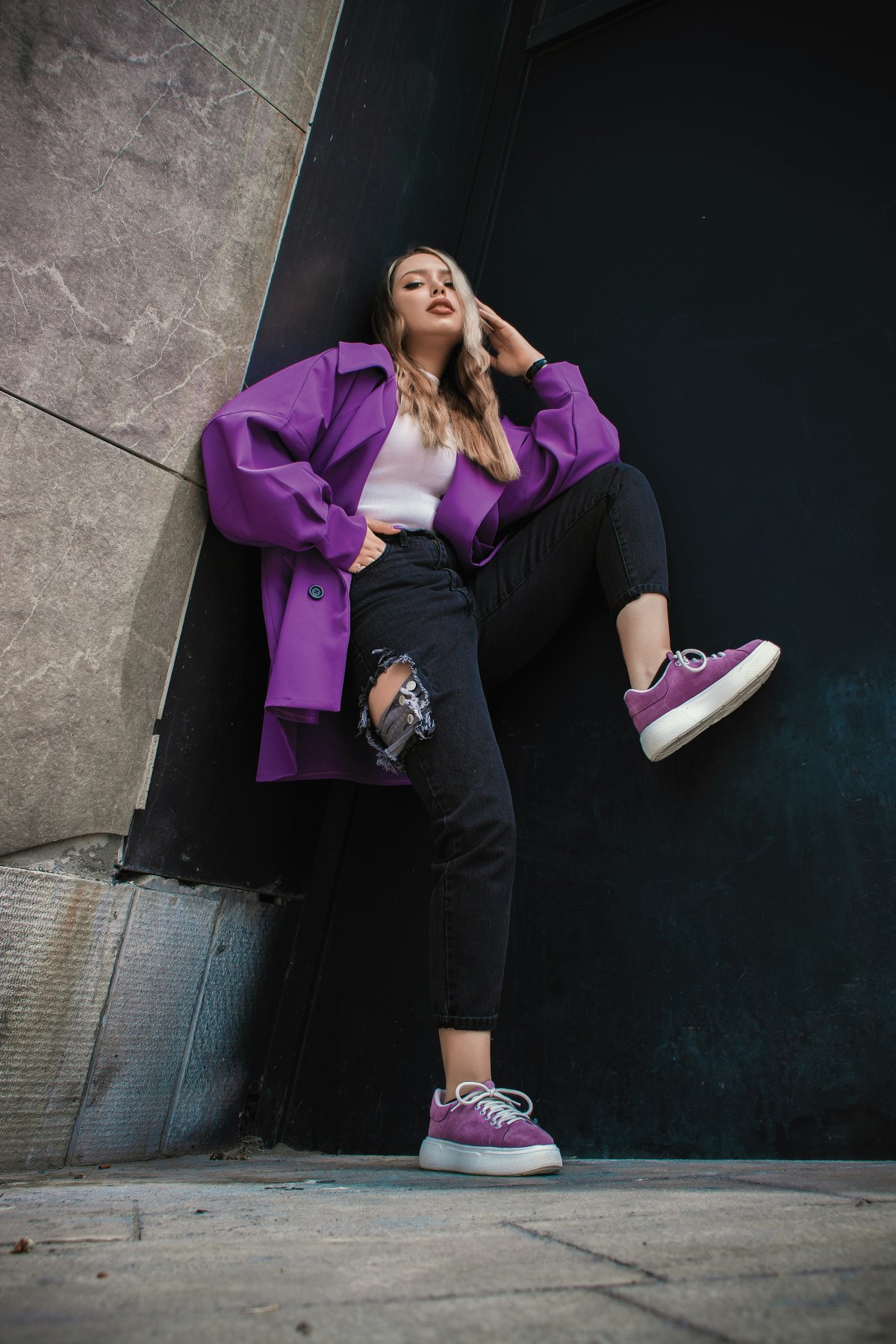
For much of fashion history, accessories were treated as afterthoughts, the final sprinkle on an already-complete look. Contemporary style wisdom has flipped this thinking entirely. Many of the most stylish people, including professional stylists and fashion editors, build their outfits outward from a single accessory: a handbag they are excited to carry, a necklace with sentimental value, a pair of shoes that makes them feel powerful. This accessory-first approach is not just creative; it is practical. Accessories are almost always more affordable than clothing, immune to size fluctuations, and capable of refreshing a wardrobe without requiring a complete overhaul. A well-chosen accessory collection multiplies the versatility of every garment you own.
In this guide, we will explore each major category of accessories in depth. You will learn how to select pieces that work for your life, how to balance proportions and colors, how to care for your accessories so they last, and how to use accessories to shape the narrative of your personal style.
Jewelry: The Art of Adornment
Jewelry is the most personal category of accessories. Unlike bags or shoes, which serve functional purposes alongside aesthetic ones, jewelry exists purely for beauty and meaning. It is also the accessory category most likely to carry emotional significance. A ring inherited from a grandmother, a bracelet purchased on a memorable trip, a necklace given by a partner: these pieces become talismans, layered with memory and sentiment. Building a jewelry collection is a lifelong pursuit, and the best collections evolve organically rather than being assembled all at once.
Understanding Jewelry Categories
Jewelry is conventionally divided into fine jewelry, fashion jewelry, and bridge jewelry. Fine jewelry is made from precious metals like gold, platinum, and silver, set with genuine gemstones. These pieces are built to last generations and represent significant investments. A pair of diamond stud earrings, a gold chain necklace, and a simple gold bangle are the foundational pieces of many fine jewelry collections. Fashion jewelry, sometimes called costume jewelry, uses base metals, glass, plastic, and synthetic stones to achieve on-trend looks at accessible prices. This is where you can experiment freely with bold shapes, colors, and seasonal trends without major financial commitment. Bridge jewelry occupies the middle ground: pieces made from sterling silver or gold vermeil with semi-precious stones, offering better quality than fashion jewelry at a more approachable price than fine jewelry.
Earrings: Framing the Face
Earrings sit closest to your face of any accessory, which makes them disproportionately impactful. The right pair can brighten your complexion, elongate your neck, and draw attention to your eyes. For a capsule jewelry collection, start with three pairs. First, a classic stud: diamond, pearl, or a simple gold ball. These are your everyday workhorses, appropriate for any occasion and comfortable enough for all-day wear. Second, a medium-sized hoop or drop earring in gold or silver. Hoops add movement and energy to an outfit and have a remarkable range, working just as well with a blazer as with a sundress. Third, a statement pair for evenings and special occasions. This could be a chandelier earring, an architectural sculptural piece, or a bold color that complements your wardrobe palette. With these three categories covered, you can address virtually any dressing situation.
Necklaces: The Power of Proximity
Necklaces interact directly with your clothing’s neckline, so coordination is essential. A delicate pendant on a fine chain nestles perfectly within the open collar of a button-down shirt or against the skin above a v-neck sweater. A chunkier chain or a bib necklace demands a simpler neckline, such as a crewneck or a strapless top, to avoid visual competition. Layering multiple necklaces of varying lengths is a skill worth developing. Start with a choker or a short chain at the collarbone, add a mid-length pendant that falls a few inches lower, and finish with a longer chain or lariat that draws the eye downward. The key to successful layering is varying the chain styles, mixing delicate and chunky, and keeping metal tones consistent. Mixed-metal layering can work beautifully but requires a more practiced eye.
Bracelets and Rings: The Details That Catch the Eye
Bracelets and rings are noticed in motion. They flash when you gesture, clink when you reach for a glass, and draw attention to your hands and wrists. A watch is the most functional piece of wrist jewelry and deserves careful consideration. A classic leather-strap watch in brown or black, or a metal bracelet watch in your preferred tone, anchors any bracelet stack. From there, add a delicate chain bracelet, a bangle, or a beaded strand. Rings follow a similar stacking principle. A signature ring on your index or middle finger, whether a signet, a cocktail ring, or a simple band, establishes a focal point. Additional rings on other fingers create a curated, collected-over-time look. The rule of odd numbers applies here: groupings of three or five rings tend to look more intentional than even-numbered groupings, which can appear too symmetrical.
Handbags: Form, Function, and Statement
A handbag is simultaneously the most practical and the most visible accessory you carry. It holds your life while broadcasting your taste to everyone who sees it. The handbag market is vast and bewildering, from heritage houses producing five-figure leather goods to direct-to-consumer brands offering thoughtful design at accessible prices. Building a functional handbag wardrobe requires thinking through the occasions of your life and selecting silhouettes that serve them.
The Everyday Tote or Shoulder Bag
This is the workhorse. It needs to hold your daily essentials: wallet, phone, keys, perhaps a laptop, a water bottle, and a small pouch of personal items. Look for durable leather or high-quality canvas. Structured totes read as more professional, while slouchy silhouettes feel more relaxed. Neutral colors maximize versatility, but do not be afraid of a rich burgundy, olive, or navy if your wardrobe is built on neutrals. The everyday bag should have a secure closure and interior organization that works for your habits. A black hole bag where everything disappears into chaos will frustrate you daily. Interior pockets, zip compartments, and a key leash are features worth seeking out.
The Crossbody and the Evening Bag
For weekends, travel, and days when you want to be hands-free, a crossbody bag is essential. The ideal crossbody is large enough to hold your phone, a card case, keys, and a lipstick, but small enough to wear comfortably for hours. Chain straps add polish and can be doubled for shoulder wear. Leather straps are more comfortable for all-day use. For formal events, dinners, and occasions when you need only the bare minimum, a small evening bag or clutch completes the look. Metallic finishes, interesting textures like beading or velvet, and unusual shapes work well here because the evening bag is meant to be noticed. Do not overlook vintage and secondhand sources for evening bags. Because they are used infrequently, pre-owned evening bags are often in excellent condition and available at a fraction of their original price.
Bag Shapes and Proportions
The shape of your bag affects how your overall silhouette reads. A large, slouchy hobo bag creates a relaxed, bohemian impression. A structured top-handle bag reads as polished and intentional. A miniature bag signals trend-awareness and a sense of humor about fashion’s excesses. Consider your body proportions when choosing a bag. If you are petite, an oversized tote can overwhelm your frame; a medium-sized bag with a shorter strap drop will create better balance. If you are tall, very small bags can look lost; medium to large bags with longer straps tend to harmonize better. These are guidelines, not rules. Fashion’s most interesting moments often come from breaking proportion conventions deliberately.
Shoes: The Foundation of Every Look
Shoes are arguably the most important accessory category because they affect not just how you look but how you feel, how you move, and how you carry yourself. The wrong shoes can ruin an otherwise perfect outfit and, worse, ruin your day with discomfort. The right shoes can make you stand taller, walk with confidence, and feel prepared for whatever the day brings. Building a shoe wardrobe is an exercise in balancing beauty with practicality. No shoe, no matter how gorgeous, is worth buying if you cannot walk in it.
The Neutral Shoe Foundation
Start with neutral shoes that match your primary wardrobe colors. If you wear mostly black, your foundational shoes should include black options. If navy and brown dominate, start there. The goal is for your shoes to work with as many outfits as possible. White sneakers have become the universal neutral of casual dressing, pairing equally well with jeans, dresses, and even certain suits. Black or nude pointed-toe flats or low heels cover professional and dressy-casual needs. Ankle boots in black or brown leather bridge seasons. Knee-high or over-the-knee boots extend your wardrobe into cold weather. Strappy sandals or slides handle warm weather. With these categories covered, you can dress for virtually any occasion.
Special Occasion and Statement Shoes
Once your neutral foundation is in place, you can add shoes that bring joy, color, and personality. A pair of red heels channels a kind of cinematic glamour that neutral shoes cannot replicate. Animal print shoes, whether leopard, snake, or zebra, function as a surprising neutral in many wardrobes, adding texture and interest without clashing with most colors. Metallic shoes in gold or silver are evening staples that also work during the day for those who like a bit of shimmer. The key with statement shoes is to let them be the focal point of your outfit. When wearing red heels, keep the rest of your look relatively simple so the shoes can command the attention they deserve.
Scarves, Belts, and Hats: The Finishing Touches
Beyond the major categories of jewelry, bags, and shoes lies a world of smaller accessories that can transform an outfit with minimal investment. Scarves are among the most versatile accessories in existence. A silk scarf can be tied around the neck in a classic French knot, wrapped around the handle of a handbag for a pop of color, worn as a headband, tied around the wrist as an impromptu bracelet, or even knotted as a top for a daring summer look. A larger wool or cashmere scarf serves as both a warmth layer and a style statement in cooler months. Collecting scarves from travels, vintage stores, and special occasions is a delightful way to build an accessory wardrobe rich with personal meaning.
Belts are the unsung heroes of outfit construction. A belt does far more than hold up your pants; it defines your waist, creates structure, and breaks up the visual plane of your outfit. A cinched waist on a loose dress or an oversized blazer instantly creates an hourglass silhouette. A belt in a contrasting color adds a graphic element. A statement buckle draws the eye. Every wardrobe should include at least three belts: a classic leather belt in black or brown with a simple buckle for everyday use, a wider statement belt for cinching dresses and outerwear, and a fabric or woven belt for casual, textured looks. When buying belts, ensure they fit properly on the middle hole. Belts that are too tight or too loose look unintentional.
Hats are perhaps the most underutilized accessory category. A wide-brimmed wool fedora or felt hat adds instant polish to a winter coat. A straw Panama hat or a wide-brimmed sun hat brings vacation energy to summer dressing. A baseball cap, once strictly athletic wear, has been thoroughly absorbed into fashion, worn with blazers, dresses, and everything in between. A beanie adds casual warmth and an off-duty model vibe to cold-weather outfits. The key to wearing hats confidently is to treat them as intentional style choices rather than afterthoughts. If you feel self-conscious in a hat, start with a simple wool fedora in a neutral color and wear it on a day when you want to feel pulled-together but low-key. Confidence with hats, as with all accessories, grows with practice.
The Art of Editing: When Less Is More
The most common accessorizing mistake is not wearing too few accessories but wearing too many. Coco Chanel famously advised that before leaving the house, a woman should look in the mirror and remove one accessory. The principle behind this advice is sound: accessories should enhance your presence, not compete for attention with your face and your personality. A useful guideline is to choose one focal point per outfit. If you are wearing dramatic chandelier earrings, skip the statement necklace. If your handbag is a bold color, let your shoes be neutral. If your shoes are the star, keep jewelry minimal. This rule is not inviolable, maximalist dressing has its own artistic merits, but it provides a reliable framework for beginners.
Another useful concept is the rule of three. When layering jewelry, groupings of three tend to look intentional: three bracelets stacked, three necklaces layered, three rings distributed across your fingers. Odd numbers create visual rhythm in a way that even numbers often do not. The same principle applies to color accents. Repeating an accent color three times in an outfit, perhaps in your earrings, your belt, and your shoes, creates a cohesive, styled look that reads as deliberate rather than accidental.
Caring for Your Accessories
Accessories are investments, and they repay care with longevity. Jewelry should be stored in a dry place, ideally in individual pouches or compartments, to prevent scratching and tangling. Remove jewelry before swimming, showering, and applying lotions or perfumes. Have fine jewelry professionally cleaned and inspected annually; a jeweler can spot a loose prong before it becomes a lost stone. Leather handbags should be stored in dust bags, stuffed with acid-free paper to maintain their shape. Avoid hanging bags by their straps, which can cause stretching and distortion. Clean leather with products appropriate to the specific leather type, and condition it periodically to prevent drying and cracking.
Shoes benefit enormously from basic maintenance. Use cedar shoe trees to absorb moisture and maintain shape after wearing. Rotate your shoes; wearing the same pair two days in a row does not allow the leather to dry and recover, which shortens the shoe’s lifespan significantly. Polish leather shoes regularly, not just for shine but to nourish the leather and provide a protective barrier against moisture. Keep heels and soles in good repair; a worn-down heel tip is an inexpensive fix that prevents more costly damage to the shoe’s structure. Scarves should be dry-cleaned or hand-washed according to their fiber content, and stored flat or rolled rather than hung, which can cause stretching.
Conclusion: Accessories as Self-Expression
Accessories are where personal style becomes truly individual. Two women can wear the same black dress, but one will look entirely different from the other based on whether she chooses gold or silver jewelry, strappy heels or ankle boots, a structured clutch or a slouchy hobo bag. These choices are not trivial. They are the vocabulary through which we communicate who we are before we ever speak a word. Accessories allow us to signal creativity, professionalism, rebellion, romance, minimalism, or maximalism. They let us participate in trends without overhauling our wardrobes. They connect us to memories, to people we love, to places we have been.
Building a meaningful accessory collection takes time. It is a process of trial and error, of discovering what feels authentic and what feels like a costume. Be patient with yourself. Experiment freely with fashion jewelry before committing to fine pieces. Borrow from friends to test-drive styles. Pay attention to the accessories that earn you compliments, and notice which ones you reach for again and again. Over time, these patterns will reveal your authentic accessory style. That is the ultimate goal: a collection of pieces that feel so essentially yours that putting them on feels like coming home to yourself.
