
Introduction: The Art of the Stylish Beach Holiday
There is a difference between a beach trip and a beach holiday, and the difference — like most things that matter in travel — is largely a matter of intention. A beach trip happens when you book the nearest shoreline, pack whatever swimsuit surfaces first in the drawer, and hope for the best. A beach holiday is designed: the destination chosen for its particular beauty and character, the wardrobe edited with the same care you would apply to a city break, the accommodations selected not just for proximity to water but for the quality of the experience. The stylish beach holiday is not about luxury for its own sake — it is about the particular pleasure of a beautiful place, experienced beautifully, in clothes and settings that honor the occasion.
The modern beach holiday has evolved well beyond the old binary of resort lounger versus backpacker hostel. Today’s most compelling coastal destinations offer design-forward hotels, exceptional food scenes that go far beyond the buffet, and cultural and natural experiences that give the days shape and meaning beyond working on your tan. The best of them reward a thoughtful approach to packing — not overpacking (you need far less than you think), but packing with an eye toward the specific textures, colors, and silhouettes that complement the landscape. A white linen dress makes sense in Positano in a way it never will in a city office, and that sense of appropriateness — of dressing for the place and the moment — is one of travel’s quietest and deepest satisfactions.
This guide surveys ten beach destinations that combine natural beauty with cultural substance and a distinctive sense of style. Each entry covers the essential character of the place, recommended accommodations across a range of price points, where to eat, what to do beyond the beach, and — crucially — what to wear. Because a stylish beach holiday is not about having the most expensive wardrobe; it is about having the right one for the right place, and the pleasure of putting it to use.
1. Positano and the Amalfi Coast, Italy
The Character
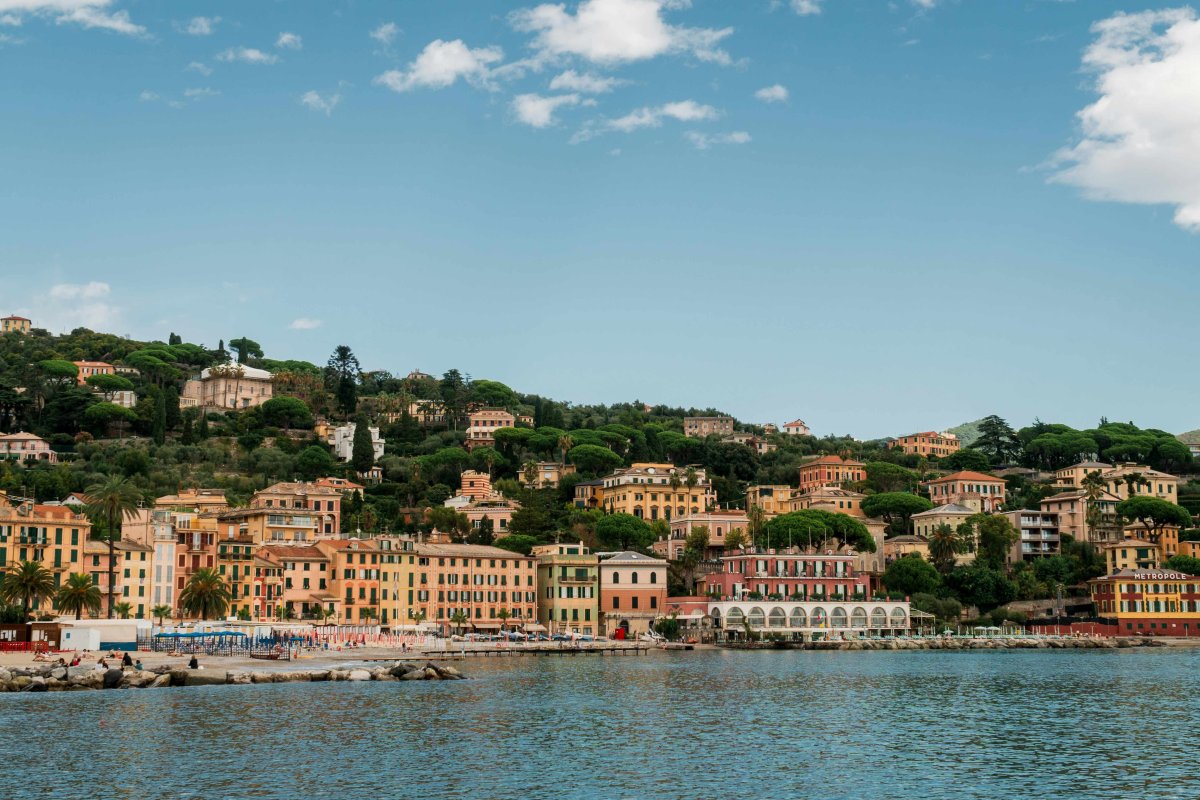
The Amalfi Coast is the reigning champion of the stylish beach holiday, and Positano is its crown jewel. The town’s pastel-colored buildings seem to tumble down the cliffs into the Tyrrhenian Sea, and the vertical geography means that every walk involves hundreds of stairs — which is functionally irrelevant, because you will be stopping every thirty seconds to photograph something. Positano has been a fashionable destination since the 1950s, when Jackie Kennedy, Franco Zeffirelli, and the international jet set discovered its charms, and it has retained its glamour while (mostly) resisting the slide into theme-park tourism that has afflicted other iconic Italian destinations. The beach itself is a stretch of dark sand and pebbles framed by the town’s iconic domed church, and the water is that particular Mediterranean blue that seems chemically enhanced but is entirely natural.
Where to Stay
Le Sirenuse is the iconic choice — a former private villa turned hotel, with a Michelin-starred restaurant (La Sponda) lit entirely by candles, a champagne-and-oyster bar on the pool deck, and views that have launched a million photographs. It is expensive, and it is worth it if your budget permits. For a more accessible but still beautiful experience, the Hotel Poseidon offers a stunning pool terrace and generous aperitivo buffet included in the room rate. Villa Franca, positioned higher on the cliffs, provides a rooftop pool and panoramic views that rival Le Sirenuse at a lower price point. For those traveling in groups or seeking independence, Airbnb and local rental agencies offer apartments throughout town — book one with a terrace, because the terrace is where you will spend your mornings and evenings, and the view is what you came for.
What to Wear
Positano calls for linen in every form: linen trousers, linen dresses, linen shirts, linen shorts. The fabric breathes in the Mediterranean heat, looks better when slightly rumpled (a rare virtue), and photographs beautifully against the pastel backgrounds of the town. Colors should lean toward whites, creams, pale blues, and soft yellows — coordinating with the town’s palette rather than competing with it. Khaite, Zimmermann, and Positano’s own local boutiques (the town has a thriving custom-linen industry — visit La Bottega di Positano for made-to-measure linen dresses completed within 24 hours) are the brands to know. Footwear must handle stairs and cobblestones: flat leather sandals (Ancient Greek Sandals, Emme Parsons, or the locally made Positano sandals sold in every shop) are essential. Heels are a nonstarter on the Amalfi Coast’s vertical terrain. A wide-brimmed straw hat (Jacquemus or a local market find), oversized sunglasses, and a straw basket bag (the Loewe basket bag is the fashion-editor choice, but the market stalls sell beautiful versions for under 30 euros) complete the look. For evenings, the uniform is a linen maxi dress, flat sandals, gold jewelry, and a light shawl for when the sea breeze picks up.
Beyond the Beach
Take a boat trip along the coast to visit the grottoes and hidden coves accessible only by water — many operators offer small-group or private tours departing from Positano’s pier. Visit Ravello, the hilltop town above Amalfi, for the gardens of Villa Cimbrone and Villa Rufolo, which inspired Wagner and offer views that stretch to the horizon. The Path of the Gods hiking trail (Sentiero degli Dei) connects Positano to neighboring towns through terraced olive groves and wildflower meadows — wear sturdy sandals or light hiking shoes and start early to beat the heat. And eat at Da Adolfo, a beachfront restaurant accessible only by boat (a free shuttle departs from Positano’s pier), where the grilled mozzarella on lemon leaves and the fresh-caught fish are worth the journey alone.
2. Tulum, Mexico
The Character
Tulum occupies a unique position in the beach destination landscape: it is simultaneously a site of profound archaeological significance (the cliffside Mayan ruins overlooking the Caribbean are among the most dramatically situated ancient monuments on earth), a center of wellness and spiritual tourism (yoga retreats, temazcal ceremonies, and juice bars abound), and a fashion-insider favorite (the Tulum beach zone hosts boutiques from some of the world’s most interesting designers and pop-ups from major brands during the annual Art With Me and Zamna festivals). The beach itself is spectacular — powdery white sand, turquoise water, and a long stretch of coast where the jungle meets the sea. The vibe is bohemian-luxe: think barefoot dinners on sand floors, mezcal cocktails at candlelit bars, and a generally undone glamour that reads as effortless even when it required significant effort.
Where to Stay
The beach zone (Zona Hotelera) is a single narrow road lined with hotels, restaurants, and boutiques — staying here puts you in the center of the action but comes with higher prices and, in some areas, unreliable electricity and water (the beach zone runs largely on generators and cisterns, which is part of its rustic charm and occasionally its frustration). Habitas Tulum offers canvas-walled rooms with private decks, an excellent restaurant, and a strong focus on community and programming (sound baths, meditation, live music). Nomade is the fashion-crowd favorite, with Moroccan-inspired decor, a beachfront restaurant serving exceptional plant-based food, and a nightly scene that balances chic with relaxed. For a more tranquil experience, Be Tulum’s rooftop pool suites offer a level of luxury that contrasts with the rustic-surfer aesthetic of much of the beach zone. Deeper into the jungle, Azulik has achieved widespread fame for its treehouse-style rooms and sculptural design, but note that it lacks air conditioning and electricity in most rooms — it is a specific, and polarizing, experience. In the town of Tulum proper (a 10-minute drive inland), cheaper hotels and Airbnbs offer better value and more reliable infrastructure, though you trade beach access for it.
What to Wear
Tulum’s aesthetic is distinctive and has become a recognizable style export in its own right: crochet and macrame dresses, white cotton and linen separates, bold printed maxi dresses, and a general mood of undone sensuality. Brands like Faithfull the Brand, Agua by Agua Bendita, and Poupette St. Barth have essentially built their design identities around the Tulum look. The key colors are white, cream, terracotta, and rust — warm neutrals that complement the jungle and sand palette. Pack at least two swimsuits (you will live in them), and choose styles that double as bodysuits under skirts or shorts for the beach-to-cenote-to-lunch flow that defines a Tulum day. Hunza G’s crinkle-stretch one-pieces, Matteau’s elegant minimal suits, and the Brazilian cut of Mikoh are all appropriate to the setting. A lightweight cotton cover-up or kaftan that transitions from beach to casual lunch is essential — Agua by Agua Bendita’s embroidered versions are the gold standard. Flat leather sandals (a second pair for evenings that can get wet or sandy), minimal jewelry (Tulum style is not about heavy accessorizing), and a woven market bag from one of the local artisans complete the wardrobe.
Beyond the Beach
The cenotes — natural freshwater sinkholes formed by collapsed limestone, connected by the world’s longest underground river system — are the essential Tulum experience beyond the beach. Gran Cenote, Cenote Calavera, and Cenote Zacil-Ha are all within a 15-minute drive and offer clear, cool water for swimming and snorkeling in otherworldly settings. The Tulum ruins themselves are best visited at opening time (8:00 AM) to avoid the heat and the tour-bus crowds. The Sian Ka’an Biosphere Reserve, a UNESCO World Heritage site south of Tulum, offers boat tours through mangrove channels and lagoons where you can spot dolphins, sea turtles, and tropical birds. In town, the Mercado de Artesanias sells locally made textiles, ceramics, and the woven palm-leaf hats that have become a Tulum signature.
3. The Greek Islands (Santorini, Mykonos, and Milos)
The Character
The Greek Islands offer three distinct versions of the stylish beach holiday. Santorini is the romantic icon: blue-domed churches, whitewashed villages perched on volcanic cliffs, sunsets that reduce crowds to silent awe, and a geological drama (the island is a submerged caldera) that provides a constant hum of sublimity. Mykonos is the party island that somehow also works as a fashion destination: its labyrinthine town of whitewashed streets (designed, according to legend, to confuse pirates) houses boutiques from every major luxury brand alongside traditional bakeries and family tavernas, and its beach clubs (Scorpios, Nammos, and Alemagou) set the global standard for seaside hedonism. Milos, less famous but increasingly beloved by those in the know, offers the most dramatic coastal landscapes — lunar rock formations, hidden sea caves, and over 70 beaches of astonishing variety, from white sand to black volcanic pebbles. Together, the three islands form a circuit that can be done in 10-14 days via ferry, or each can anchor a standalone trip.
Where to Stay
On Santorini, the villages of Oia and Imerovigli offer the iconic caldera views. Canaves Oia Suites and Katikies Hotel are the luxury benchmarks, with infinity pools that seem to spill directly into the Aegean. For a more accessible option, the village of Firostefani — between Fira and Imerovigli — offers comparable views at lower prices, and the smaller family-run hotels here often provide more personal service. On Mykonos, the town itself (Chora) puts you steps from the restaurants, bars, and boutiques. The Belvedere Hotel is a classic, with a pool scene that has been drawing the fashion set for decades. Kalesma, opened in 2021, offers a more serene, design-forward experience on a hilltop overlooking Ornos Bay. On Milos, the port town of Adamas is convenient but unremarkable; stay instead in Pollonia, a fishing village with excellent tavernas and access to the island’s northern beaches, or in Plaka, the hilltop capital with sunset views and a quieter, more authentic atmosphere. Milos Breeze Boutique Hotel and Artemis Seaside Resort are the island’s best-designed options.
What to Wear
The Greek Islands demand a wardrobe that handles intense sun, sea breezes, and the transition from beach club to taverna dinner with minimal fuss. The color palette is whites and blues — not because you are required to match the scenery, but because these colors look breathtaking against it, and because they reflect rather than absorb the powerful Mediterranean sun. Linen is again the hero fabric, supplemented by lightweight cotton voile and silk. For Santorini, pack a dramatic maxi dress for the famous sunset photos — something that moves in the wind, in white or a soft blush. For Mykonos, add a touch more glamour: gold jewelry, a silk scarf tied in your hair, a dress that can go from beach club to club-club with a change of accessories. For Milos, which is more rustic and involves more exploration of rugged coastlines, prioritize practical swimwear that stays put when you are climbing over rocks to reach a sea cave, and water shoes for the pebble beaches.
Core pieces for any Greek Islands trip: two to three swimsuits (rotate so they dry between wears), two cover-ups (one lightweight cotton for practical beach days, one more elegant linen or silk for beach clubs), two sundresses, one pair of tailored shorts, two blouses, one pair of wide-leg linen trousers for evenings, flat sandals (leather for daytime, embellished for evening — no heels on cobblestones), a wide-brimmed hat, and a basket bag. The entire wardrobe fits in a carry-on, and anything you forget can be purchased beautifully in the islands’ boutiques.
Beyond the Beach
On Santorini, the hike from Fira to Oia along the caldera rim takes 2-3 hours and offers the island’s best views — start early in the morning or late in the afternoon to avoid the midday sun. The archaeological site of Akrotiri, a Minoan city preserved by volcanic ash, is a window into the Bronze Age. A sunset catamaran cruise around the caldera, with stops for swimming, is a splurge worth making. On Mykonos, the island of Delos — a short ferry ride away — is one of the most important archaeological sites in Greece, the legendary birthplace of Apollo and Artemis. On Milos, rent a boat (no license required for small motorboats) or hire a captain to explore Kleftiko, the island’s most famous coastal formation, a series of white volcanic rock arches and sea caves accessible only by water.
4. Bali, Indonesia
The Character
Bali’s reputation as a stylish destination has been built over decades, from the surfers and artists who discovered its shores in the mid-20th century to the digital nomads and wellness seekers who have flocked to Canggu and Ubud in recent years. The island offers a rare combination: genuinely world-class beaches and surf breaks; a rich, living culture of Hindu ritual, dance, and craft; a food scene that ranges from street-side warungs serving nasi goreng for two dollars to restaurants that belong on any global best-of list; and an aesthetic — the indoor-outdoor living, the carved stone and teak, the offerings of flowers placed on sidewalks each morning — that has influenced global design and fashion for decades. Bali is large enough to contain multitudes. The southern beach areas (Seminyak, Canggu, Uluwatu) offer different energies — Seminyak for dining and shopping, Canggu for surf and cafes, Uluwatu for dramatic cliffside views — while Ubud in the interior provides a cultural and spiritual anchor.
Where to Stay
The Mulia in Nusa Dua offers the most opulent beachfront experience on the island, with seemingly endless pools and exceptional service. The Legian in Seminyak is a classic for a reason — understated luxury on one of the island’s best beaches, with a spa that is worth visiting even if you are not a guest. In Canggu, The Slow, designed by Australian fashion-and-design duo George Gorrow and Cisco Tschurtschenthaler, is a 12-room boutique hotel with an art gallery, an excellent restaurant, and a soundtrack curated by the owners — it has become the default choice for fashion and creative industry visitors. In Ubud, the Four Seasons Sayan, designed by John Heah to appear as a series of pods floating above the Ayung River valley, is an architectural landmark. For something more intimate, Bambu Indah, created by jewelry designer John Hardy, features antique Javanese teak houses transported and reassembled among the rice paddies. In Uluwatu, the Bulgari Resort and Ulu Cliffhouse anchor the luxury end, while numerous smaller cliffside hotels offer spectacular views at more accessible prices.
What to Wear
Bali’s tropical climate — hot, humid, and punctuated by sudden rain showers — demands fabrics that breathe and dry quickly. Cotton voile, rayon, and silk are ideal. The island has a thriving local fashion scene: brands like Magali Pascal, Uma and Leopold, and Paulina Katarina produce beautiful, island-appropriate clothing that can be purchased on arrival, and the boutiques in Seminyak (particularly along Jalan Kayu Aya and Jalan Petitenget) are worth a dedicated shopping afternoon. For packing, bring loose-fitting dresses that do not require much construction (wrap styles are perfect), wide-leg trousers in fluid fabrics, a denim or leather jacket for air-conditioned restaurants and the one cool evening you will encounter, and a lightweight rain jacket or compact umbrella for the inevitable tropical downpour. Swimwear should be chosen for activity: a secure one-piece or sport bikini for surfing and swimming, plus a more elegant option for poolside lounging. Uluwatu’s beaches require some effort to access (steep stairs, rocks), so flat, secure sandals are non-negotiable. A sarong — purchased from a local market upon arrival — serves as a beach cover-up, a temple-appropriate wrap (required for entering Bali’s temples), and a lightweight blanket on air-conditioned transport.
Beyond the Beach
The temples of Bali are an essential part of the experience, and visiting them requires appropriate dress (covered shoulders and knees, sarong and sash provided at the major temples). Tanah Lot, Uluwatu Temple (especially at sunset for the kecak fire dance), and the water temple of Tirta Empul are the classic choices. In Ubud, the Sacred Monkey Forest, the Tegallalang rice terraces, and a traditional Balinese massage (try Putri Ubud Spa or Karsa Spa) fill a day. A day trip to the islands of Nusa Penida or Nusa Lembongan offers snorkeling with manta rays and the iconic cliffs of Kelingking Beach. The sunrise trek up Mount Batur, an active volcano, is popular for good reason — the view from the summit as the sun rises over Lake Batur and the distant Mount Rinjani on Lombok is unforgettable.
5. The Maldives
The Character
The Maldives is the ultimate escape — not a beach destination in the conventional sense of a town with a shoreline, but an entire nation composed of coral atolls scattered across the Indian Ocean, where the distinction between land and water blurs into something more liquid. The country’s geography — 26 atolls, 1,192 islands, 99% of its territory water — means that a Maldivian holiday is defined by the particular island you choose, and the choice matters enormously. The one island, one resort model that has defined Maldivian tourism since the 1970s means that your resort is not just your accommodation but your entire world for the duration of your stay. The best resorts understand this and create environments that feel complete and self-sufficient, with enough variety of restaurants, activities, and spaces to sustain a week or more without feeling confined.
The Maldives is not a fashion destination in the way Tulum or Mykonos are — there are no shopping streets, no nightlife scenes, no street style to observe. But it demands a particular approach to dressing that is its own kind of style challenge: how to look and feel elegant in an environment defined by sand, water, and intense sun, where the uniform is swimwear and the social calendar is limited to the resort’s restaurants and bars. The answer, developed over decades by the world’s most discerning travelers, is a minimalist, quality-focused approach: fewer pieces, better fabrics, quieter luxury.
Where to Stay
At the ultra-luxury end, the Cheval Blanc Randheli (designed by Jean-Michel Gathy), the Soneva Fushi (the original barefoot luxury resort, with a commitment to sustainability that includes an on-site glass recycling studio and an organic garden that supplies the restaurants), and the One&Only Reethi Rah (with its spectacular spa and striking architecture) are the benchmarks. For design-focused travelers, JOALI Maldives, with its art-immersive concept and female-founded ethos, and Kudadoo, the world’s first fully solar-powered private island resort, represent the new generation of Maldivian luxury. Accessible luxury exists too, particularly in the form of guesthouse islands — local islands where independent guesthouses operate alongside village life, offering a more culturally authentic and dramatically less expensive experience than the resort islands. Maafushi, Thulusdhoo, and Dhigurah are the most developed of these, with bikini beaches (designated tourist beaches where Western swimwear is permitted), dive centers, and a growing number of stylish small hotels like the KINN on Maafushi.
What to Wear
The Maldivian packing list is the most minimal of any beach destination. You need: swimwear (three or four suits, rotated daily, because they will not dry fully in the humidity); cover-ups and kaftans (these are your daytime uniform — choose silk, cotton voile, or linen in whites and neutrals); a few sundresses for dinner (long, flowing silhouettes in lightweight fabrics — Cult Gaia, Faithfull the Brand, and Zimmermann all design for exactly this setting); one pair of tailored trousers and a silk top for the one formal dinner or for the flight; flat sandals (embellished versions from Aquazzura or Ancient Greek Sandals elevate simple outfits for dinner); a wide-brimmed hat that can handle wind (look for styles with a chin strap or internal headband); and a light shawl or pashmina for air-conditioned interiors and breezy sunset decks. Jewelry should be minimal — you are on an island, not in a city, and the most appropriate accessories are a tan and a genuine smile. One thing not to pack: heels. Many Maldivian resorts practice barefoot luxury — shoes are collected at the dock and returned at departure, and even the finest restaurants are on sand.
Beyond the Beach
The Maldives is fundamentally about the water. Snorkeling and diving are world-class, particularly in the South Ari Atoll (whale sharks year-round), Hanifaru Bay (manta rays, May to November), and the channels of the Baa Atoll (reef sharks, eagle rays, and seasonal hammerheads). Even at the most luxurious resorts, the house reef — the coral directly accessible from the beach or overwater villa — offers snorkeling that rivals dedicated dive sites in less pristine parts of the world. Spa culture in the Maldives is exceptional, with treatments often performed in overwater pavilions with glass floors through which you can watch fish during your massage. The traditional Maldivian sandbank picnic — a boat trip to a tiny uninhabited island that disappears entirely at high tide — is a classic for good reason: it is genuinely magical, and the photographs are spectacular.
6. Formentera, Spain
The Character
Formentera is the smallest of Spain’s Balearic Islands, accessible only by ferry from its louder, more famous neighbor Ibiza, and it has cultivated a reputation as the anti-Ibiza: quiet, bohemian, and devoted to the simple pleasures of exceptional beaches, clear water, and long lunches that stretch into the late afternoon. The island measures only 12 miles from end to end, meaning that nothing is more than a 20-minute scooter or bicycle ride away, and its beaches — particularly Ses Illetes and Cala Saona — are widely considered among the finest in the Mediterranean. The water achieves that startling turquoise clarity associated more with the Caribbean than with Europe, and the sand is fine and white. Formentera has long attracted a creative, fashion-adjacent crowd seeking respite from Ibiza’s club scene, and its beach bars and restaurants reflect this clientele: the food is outstanding, the design is considered, and the summer-long sunset ritual is as stylish as any scene in Mykonos, just quieter.
Where to Stay
Accommodations on Formentera are generally simpler than on Ibiza — this is not a five-star resort island, and that is precisely the point. The Gecko Hotel & Beach Club on Migjorn Beach offers the closest thing to luxury, with a stylish pool and beachfront restaurant. Hotel Blanco, near Es Pujols, is a minimalist-design boutique hotel with a focus on wellness and excellent breakfasts. In the interior of the island, agriturismos — converted farmhouses offering simple rooms and home-cooked meals — provide a more authentic experience. Airbnbs and rental villas are plentiful, with many offering private pools and gardens, and this is one destination where a rental car or scooter is essentially mandatory — the beaches are spread across the island, and public transportation is limited.
What to Wear
Formentera’s style is Ibiza’s more sophisticated, less-trying-hard sibling. Think 1970s Talitha Getty on the beach: crochet, macrame, high-waisted bikinis, oversized sunglasses, and a general air of effortlessness that may or may not have required effort. The color palette is whites, creams, and earth tones — nothing that competes with the turquoise water. Key pieces: a high-waisted bikini (the Formentera uniform), a crochet or macrame cover-up dress, white wide-leg linen trousers for sunset, a silk scarf to tie back hair on scooter rides, flat leather sandals, a straw basket bag, and gold hoop earrings. Sun protection is essential and can be stylish: a wide-brimmed raffia hat, chic oversized sunglasses (Celine or Loewe are the current fashion-editor favorites), and a linen shirt worn open as a cover-up. Formentera is not the place for heavy makeup or elaborate hair — the humidity and wind will undo both within minutes — and the most beautiful women on the island are the ones who have embraced this rather than fighting it.
Beyond the Beach
Rent a bicycle or scooter and explore the island’s network of flat, well-maintained roads — Formentera is one of the most cycling-friendly destinations in Europe, and the distances are manageable for even casual cyclists. The lighthouses at Cap de Barbaria and La Mola are worth visiting for the dramatic coastal views, particularly at sunset. The salt flats at Ses Salines, still harvested using traditional methods, are beautiful in the golden light of late afternoon. For shopping, the hippie markets — particularly the Wednesday and Sunday market at El Pilar de la Mola — sell handcrafted jewelry, leather goods, and the embroidered cotton dresses that are the island’s signature garment. And a day trip to Ibiza for nightlife is always an option: the last ferry back to Formentera departs well after midnight, allowing you to sample the club scene without committing to a full Ibiza vacation.
7. Tulum’s Chic Alternative: Sayulita, Mexico
The Character
For those who love Tulum’s aesthetic but are weary of its crowds and prices, Sayulita — a surfing town on Mexico’s Pacific coast, about 45 minutes north of Puerto Vallarta — offers a compelling alternative. The town retains the bohemian surf energy that Tulum had fifteen years ago: cobblestone streets lined with brightly painted buildings, a beach that serves as the town’s social and functional center, a mixed crowd of surfers, families, and creative types, and a genuinely welcoming local community that has not been displaced by tourism (though gentrification pressures are real and worth being conscious of). The surf is consistent and beginner-friendly, the food is exceptional — from street tacos to sophisticated farm-to-table restaurants — and the colorful aesthetic of the town, with its papel picado banners strung across streets and murals on every available wall, is a photographer’s dream.
Where to Stay
Hotel Ysuri, on the beachfront, offers sleek modern rooms with ocean views at prices that feel refreshingly reasonable compared to Tulum. Petit Hotel Hafa, a smaller, design-focused property in the center of town, has a rooftop terrace and a commitment to showcasing Mexican art and design. For a more luxurious experience, the newly opened Anjali Casa Divina, an 8-suite boutique hotel, combines traditional Mexican architecture with contemporary design and a rooftop pool. For those seeking a retreat experience, Haramara Retreat in the jungle above Sayulita offers open-air cabanas, a yoga shala, and an excellent restaurant — it is a more rustic but deeply restorative alternative to the town’s beach-centric energy.
What to Wear
Sayulita’s aesthetic is more colorful and less self-consciously curated than Tulum’s. Embrace bright colors, embroidery, and prints rather than the tonal neutrals that dominate the Caribbean side. Local boutiques — particularly Revolucion del Sueno and Pachamama — sell beautifully made pieces from Mexican designers that outperform anything you could pack. The essentials: a couple of bikinis (the Pacific surf is stronger than the Caribbean, so choose secure styles if you plan to swim or surf), cotton sundresses in bright colors or bold prints (easily purchased in town), denim cutoffs, a lightweight cotton shirt worn open over swimwear, flat sandals or espadrilles, and a hat that will stay on in the wind (the Pacific coast is breezier than the Caribbean). For evenings, a dressier sundress, gold jewelry, and flat sandals or wedge espadrilles (the cobblestones are as unforgiving as any European village) will serve you well. And do not forget mosquito repellent — the Pacific coast has more insects than the Caribbean side, particularly at dusk.
Beyond the Beach
Sayulita’s main beach is the town’s social hub, but a short walk north brings you to Playa de los Muertos, a quieter beach shaded by palm trees. A 20-minute drive south, the town of San Pancho (San Francisco) offers a more serene beach experience and an excellent cultural center, Entre Amigos, with workshops and events. Whale watching (December to March) is world-class in the waters off Punta Mita, a 30-minute drive south. The Marietas Islands, a protected national park accessible by boat tour, feature the famous Hidden Beach — a beach inside a collapsed volcanic crater, accessible only by swimming through a tunnel — though visitation is now strictly limited and requires advance booking.
8. The Seychelles
The Character
The Seychelles, an archipelago of 115 islands in the Indian Ocean off the coast of East Africa, offers a different kind of tropical paradise than the Maldives or the Caribbean. The granite boulders that frame many of its beaches — massive, smoothly weathered, prehistoric-looking formations — create a landscape that feels less like a generic tropical island and more like a specific, dramatic, almost otherworldly place. The most famous of these beaches, Anse Source d’Argent on La Digue, is widely photographed and justifiably so: the combination of powdery white sand, clear shallow water, and the sculptural granite formations is unlike anything elsewhere on earth. The Seychelles also offers something the Maldives does not: real land mass with mountains, jungle, and hiking trails, meaning a trip here can combine beach days with genuine exploration.
The Seychelles has a distinct cultural identity shaped by its African, French, British, Indian, and Chinese influences, visible in the Creole cuisine, the architecture, and the music. It is not a fashion destination in the conventional sense, but it rewards the traveler who appreciates natural beauty above constructed scenes, and its particular landscape — those boulders, the lush jungle, the specific quality of the light — lends itself to photography in a way that has drawn fashion editorials and campaigns for decades.
Where to Stay
The North Island resort, where Prince William and Kate Middleton honeymooned, is the ultimate Seychelles experience — 11 villas on a private island, with a conservation program that has restored the island’s ecosystem to its pre-human state. On Mahe, the main island, the Four Seasons Resort Seychelles offers villas built into the hillside above Petite Anse beach, with a spa set among the granite boulders. On Praslin, the second-largest island, the Raffles Seychelles provides butler-serviced villas with views over the famous Anse Lazio. For a more accessible experience, the Constance Ephelia on Mahe and the Coco de Mer Hotel on Praslin offer comfortable accommodations at lower price points, and La Digue’s small guesthouses provide a simpler but more culturally immersive stay on the most beautiful island in the archipelago.
What to Wear
The Seychelles is humid, tropical, and casual. The packing approach mirrors the Maldives: swimwear, cover-ups, sundresses, and flat sandals, with the addition of actual walking shoes for the hiking trails and a light rain jacket for the afternoon showers that arrive reliably in the tropical climate. The Creole influence manifests in bold colors and prints — do not be afraid of a tropical print dress or a brightly colored kaftan that would feel out of place in more self-consciously neutral destinations. Footwear practicalities: water shoes for the coral and rock beaches, hiking sandals for the jungle trails on Mahe, and flat leather sandals for everything else. A sarong or pashmina is essential for covering up when walking through villages, where conservative dress is appreciated, and for the air-conditioned interiors of restaurants and hotel common areas.
Beyond the Beach
The Vallee de Mai on Praslin, a UNESCO World Heritage site, is a primeval palm forest that shelters the endemic coco de mer palm and its famously suggestive double-lobed nut. On Mahe, the Morne Seychellois National Park offers hiking trails through jungle to panoramic viewpoints — the Copolia Trail is a manageable 2-hour round trip with spectacular views over Victoria and the surrounding islands. On La Digue, which has almost no cars, bicycles are the primary transport, and cycling the island’s flat, shaded roads is one of travel’s purest pleasures. Snorkeling and diving are excellent throughout the archipelago, with the Aldabra Atoll — a UNESCO site and the world’s second-largest coral atoll — hosting the largest population of giant tortoises on earth.
9. The Hamptons, New York, USA
The Character
The Hamptons need little introduction to anyone familiar with American culture: the string of towns and villages on the eastern end of Long Island has been the summer retreat of New York’s wealthy and creative classes since the late 19th century, when the railroad first made it accessible as an escape from the city’s heat and crowds. What distinguishes the Hamptons from other wealthy beach enclaves is the texture of the place: the farmland that still operates alongside the designer boutiques, the contrast between the old-money discretion of Southampton and the new-money spectacle of East Hampton’s Main Street, the creative communities that have maintained a presence despite the rising cost of entry (Jackson Pollock and Lee Krasner’s house and studio in Springs is now a museum, and the artist community they helped establish still endures in quieter corners). The beaches themselves are beautiful in a classic, understated way — long stretches of pale sand, dunes covered in beach grass, water that is genuinely cold (the Atlantic off Long Island hovers around 68-72 degrees Fahrenheit in high summer, a bracing contrast to the bathtub-warm Caribbean).
Where to Stay
Lodging in the Hamptons is notoriously expensive and books up months in advance for high summer (Memorial Day to Labor Day). The Topping Rose House in Bridgehampton, a restored 19th-century mansion with a Jean-Georges Vongerichten restaurant, is the luxury choice. The Maidstone in East Hampton, a beautifully designed Scandinavian-owned inn, offers a more personal experience. Baron’s Cove in Sag Harbor, recently renovated, provides waterfront access and a town-center location at more accessible prices. For those with the budget and group size, renting a house is the classic Hamptons experience — the inventory ranges from modest cottages to the sprawling estates that populate the real estate sections, and the earlier you book, the better your options and price. Sag Harbor offers the most charming town-center experience, with its whaling-era architecture, independent bookstores, and walkable streets; East Hampton offers the best concentration of fashion boutiques; Montauk, at the very tip of Long Island, has a younger, surfier energy and the best lobster rolls on the East Coast at The Lobster Roll (also known as Lunch, from its appearance in The Affair).
What to Wear
Hamptons style is New England prep filtered through a fashion-industry lens: think crisp cotton shirtdresses, relaxed tailoring, elevated casualwear, and an overall air of not trying too hard — though considerable effort often goes into appearing effortless. The essential pieces: a white cotton or linen dress (the unofficial Hamptons uniform), tailored shorts (Ralph Lauren, Veronica Beard, and Ulla Johnson are the brands of choice), a striped boatneck top (the Breton shirt is as appropriate here as it is in Saint-Tropez), a lightweight cashmere or cotton sweater for cool evenings by the water, a denim jacket or blazer for layering, leather sandals (daytime) and wedge espadrilles (evening), a straw tote (the classic LL Bean Boat and Tote is still ubiquitous, and still the best), oversized sunglasses, and a baseball cap for bad hair days (Hamptons style allows for this particular kind of casualness in a way that European beach destinations do not). For evening events — and the Hamptons social calendar in summer is packed with benefits, gallery openings, and dinner parties — a silk slip dress, gold jewelry, and heeled sandals will get you through any door.
Beyond the Beach
The wineries of the North Fork, a short drive from the Hamptons proper, have become increasingly sophisticated — RGNY, Macari, and Bedell Cellars are standouts. The Parrish Art Museum in Water Mill, housed in a Herzog & de Meuron-designed building, mounts serious exhibitions of American art. The Pollock-Krasner House in Springs is essential for art lovers. The Montauk Point Lighthouse, commissioned by George Washington in 1792, offers views across the Atlantic and a sense of the region’s maritime history. And the farm stands that dot the roads throughout the Hamptons — particularly the Round Swamp Farm and Pike’s Farm Stand — sell exceptional produce, baked goods, and prepared foods that make picnics and casual dinners a reminder that the Hamptons, before it was a brand, was and in many ways remains a farming and fishing community.
10. The Algarve, Portugal
The Character
Portugal’s southern coast has undergone a remarkable transformation over the past decade. Once associated primarily with golf resorts and British package holidays, the Algarve has been rediscovered by a design-conscious crowd drawn to its dramatic natural beauty — the golden sandstone cliffs, the sea caves and rock arches carved by the Atlantic, the beaches accessible only by descending steep staircases or swimming through tunnels — and by a new generation of hotels and restaurants that honor Portuguese craftsmanship and the region’s natural assets. The water is colder than the Mediterranean (the Atlantic off the Algarve ranges from 62 to 72 degrees Fahrenheit), but the beaches are among the most beautiful in Europe, particularly the area around Lagos and Sagres in the western Algarve. The region also offers exceptional value compared to Italian and French beach destinations, with excellent food, wine, and accommodations at prices that feel like a discovery.
Where to Stay
The Vila Vita Parc, a family-owned resort near Armacao de Pera, is the Algarve’s most prestigious property — extensive gardens, multiple restaurants including the two-Michelin-starred Ocean, and a clifftop setting that maximizes the coastal views. The new VILA VITA Collection has expanded into smaller, more boutique properties in the region. At the more accessible end, the Memmo Baleeira in Sagres offers minimalist design with stunning views over the surf beaches of the western coast, at prices that are reasonable by any standard. The recently opened Octant Hotels Ponta Delgada in the western Algarve combines contemporary Portuguese design with a focus on local experiences and sustainability. In the central Algarve, the town of Carvoeiro offers a charming base with a beautiful beach framed by cliffs, and numerous rental apartments and villas with sea views.
What to Wear
Portuguese beach style is relaxed and unpretentious, closer to the surf-influenced aesthetic of California or Australia than to the glamour of the Italian coast. The essentials: a practical swimsuit (you will be climbing over rocks and swimming through caves), a linen or cotton cover-up, shorts and a t-shirt for the beach, a sundress for lunch and dinner, flat sandals that can handle sand and cobblestones, a windbreaker or light jacket (the Atlantic breeze is real, and evenings can be cool even in August), and sunscreen — the Algarve sun is strong and the coastal breezes make it easy to underestimate your exposure. The local ceramics — hand-painted tiles, dishes, and decorative pieces — are among Portugal’s finest and make wonderful souvenirs that justify a bit of extra luggage space. Bring a foldable tote for ceramic purchases and a sarong or large scarf that can serve as improvised wrapping material for fragile items.
Beyond the Beach
The Benagil Sea Cave, accessible by boat, kayak, or (for strong swimmers) by swimming from the adjacent beach, is the Algarve’s most famous natural attraction — a domed cave with a hole in the ceiling through which sunlight streams onto a small interior beach. The cliffs around Sagres and Cabo de Sao Vicente, the southwesternmost point of mainland Europe, offer dramatic coastal walks along well-marked trails with lighthouse views. Inland, the towns of Silves and Loule offer historic architecture and excellent markets. The Algarve’s food scene has become a draw in its own right, with restaurants like Ocean (two Michelin stars), Vila Joya (two Michelin stars), and Bon Bon (one Michelin star) holding their own against any coastal destination in Europe, alongside exceptional simple seafood restaurants where the fish was caught that morning and grilled over charcoal with nothing more than olive oil, garlic, and sea salt.
Conclusion: The Elements of a Stylish Beach Holiday
The ten destinations profiled here share certain qualities despite their geographic and cultural diversity. They all offer natural beauty that goes beyond a generic sandy beach — dramatic cliffs, granite boulders, volcanic landscapes, jungle-fringed coves. They all have food cultures worth traveling for, not just tolerating. They all reward a thoughtful approach to packing, with specific aesthetics that have evolved in response to the landscape and climate. And they all provide the opportunity to experience that particular pleasure of a beach holiday done well: the feeling of sand-warm skin, the taste of salt on your lips, the sight of a sunset over water, and the knowledge that you look — and feel — exactly right for the place and the moment.
Pack less than you think you need. Choose fabrics that love humidity. Bring a good book and a wide-brimmed hat. And remember that the most stylish thing at any beach, in any destination, is genuine ease — the kind that comes not from expensive clothes but from the confidence of knowing you are in the right place, at the right time, wearing exactly what the moment requires.
