Introduction: Fashion Beyond the Binary
Walk into any clothing store, and you will likely be directed by signs that have organized our sartorial lives for more than a century: men’s on one side, women’s on the other. These two categories have felt so natural, so inevitable, that most people never stopped to question them. Yet the division of clothing by gender is not a law of nature. It is a relatively recent historical development, one that is now being challenged with unprecedented energy and visibility. Gender-fluid fashion, the idea that clothing should not be restricted by the gender of the person wearing it, has moved from the avant-garde margins to the center of the fashion conversation. Major luxury houses are merging their men’s and women’s runway shows. Retailers are launching gender-neutral collections. Celebrities are gracing red carpets in outfits that deliberately blur, bend, or erase gender lines. And everyday people, particularly members of Gen Z, are increasingly rejecting the notion that their gender should dictate what they can and cannot wear.
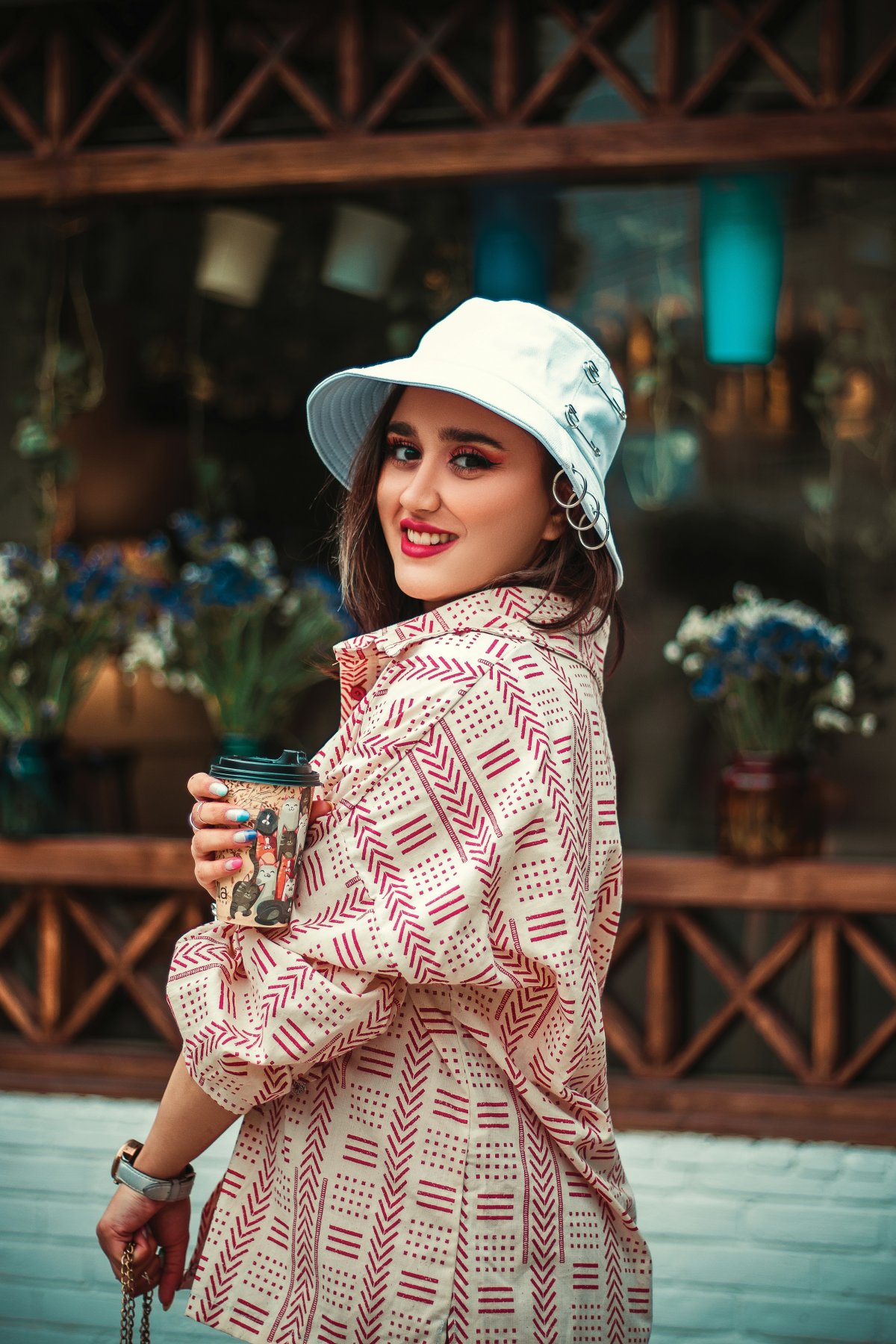
This is not merely a trend. It is a fundamental rethinking of fashion’s relationship with gender, driven by changing social attitudes, the growing visibility of transgender and non-binary people, and a generational shift toward authenticity and self-expression over conformity. Understanding gender-fluid fashion is essential for anyone interested in where style is headed. Even if you personally prefer traditionally gendered clothing, the movement is reshaping the options available to you, the way stores are organized, and the cultural meaning of the clothes you wear. This article explores the history, the present moment, and the practical implications of fashion’s gender revolution.
A Brief History: When Clothing Had No Gender
To understand the contemporary movement toward gender-fluid fashion, it helps to recognize that the strict gendering of clothing is a historical anomaly. For most of human history, clothing was differentiated primarily by class, occupation, and climate, not by gender. In ancient Egypt, both men and women wore linen kilts and sheath dresses. In ancient Greece and Rome, the chiton and the toga were worn across genders, differing mainly in draping style and ornamentation. In many cultures, including across much of Asia and Africa, wrapped and draped garments like the sari, the kimono, and the kaftan have been worn fluidly by people of different genders for millennia.
The rigid division we recognize today began to crystallize in Europe during the 18th and 19th centuries. The Industrial Revolution brought mass production of clothing, and with it the commercial incentive to create separate markets for men and women. The Enlightenment’s emphasis on binary categorization extended to fashion, and clothing became an increasingly important marker of gender identity. Men’s clothing grew sober and uniform, a reflection of their role in the public sphere of business and politics. Women’s clothing grew elaborate and restrictive, a reflection of their confinement to the domestic sphere. By the Victorian era, the gendering of dress was so absolute that a woman wearing trousers was considered not just unfashionable but morally transgressive. Laws in some jurisdictions actually prohibited cross-dressing, policing the gender binary through the legal system.
Yet even at the height of Victorian rigidity, there were cracks in the facade. Actresses like Sarah Bernhardt wore trousers on stage and off. The Rational Dress Movement of the late 19th century advocated for women’s clothing reform, arguing that corsets and heavy skirts were physically harmful. In the 1920s, figures like Marlene Dietrich and Katharine Hepburn made trousers glamorous for women, though their adoption of masculine-coded clothing was often framed as a form of daring androgyny rather than a rejection of gendered categories. The 1960s saw the peacock revolution in men’s fashion, with designers like Pierre Cardin and bands like the Beatles introducing color, pattern, and soft fabrics into menswear. Each of these moments expanded the boundaries of what was considered acceptable, laying the groundwork for the more radical questioning of gender categories that would follow.
The Catalysts: Why Gender-Fluid Fashion Is Accelerating Now
Several converging forces have brought gender-fluid fashion to its current prominence. The first and most important is the mainstreaming of LGBTQ+ identities, particularly the visibility of transgender and non-binary people. As more individuals have publicly identified outside the gender binary, the fashion industry has been compelled to respond. Activists, influencers, and ordinary consumers have demanded clothing options that accommodate and celebrate bodies and identities that do not fit neatly into the men’s or women’s sections. Social media has been a powerful amplifier of these demands, allowing gender-nonconforming individuals to share their style with global audiences and build communities around fashion that transcends gender.
The second catalyst is generational. Surveys consistently show that Gen Z, the generation born roughly between 1997 and 2012, holds significantly more fluid views of gender than any previous generation. A 2021 study by the Pew Research Center found that more than a third of Gen Z respondents personally knew someone who uses gender-neutral pronouns. For this generation, the idea that clothing should be segregated by gender feels not just outdated but actively exclusionary. Brands that ignore this shift risk irrelevance with the consumers who will dominate the market in the coming decades. The business case for gender-fluid fashion is as compelling as the cultural one.
The third catalyst is the evolution of the fashion industry itself. The traditional fashion calendar, with separate men’s and women’s shows held months apart, was already under strain from the digital acceleration of trends and consumer expectations. Merging shows into co-ed presentations, as houses like Gucci, Burberry, and Bottega Veneta have done, addresses operational challenges while also making a statement about the irrelevance of gender boundaries. Designers like Jonathan Anderson at Loewe and JW Anderson, Harris Reed, and Telfar Clemens have built their creative identities around the dissolution of gendered categories. Their work demonstrates that clothing designed without gender constraints is not a compromise or a limitation but an expansion of creative possibility.
What Gender-Fluid Fashion Looks Like in Practice
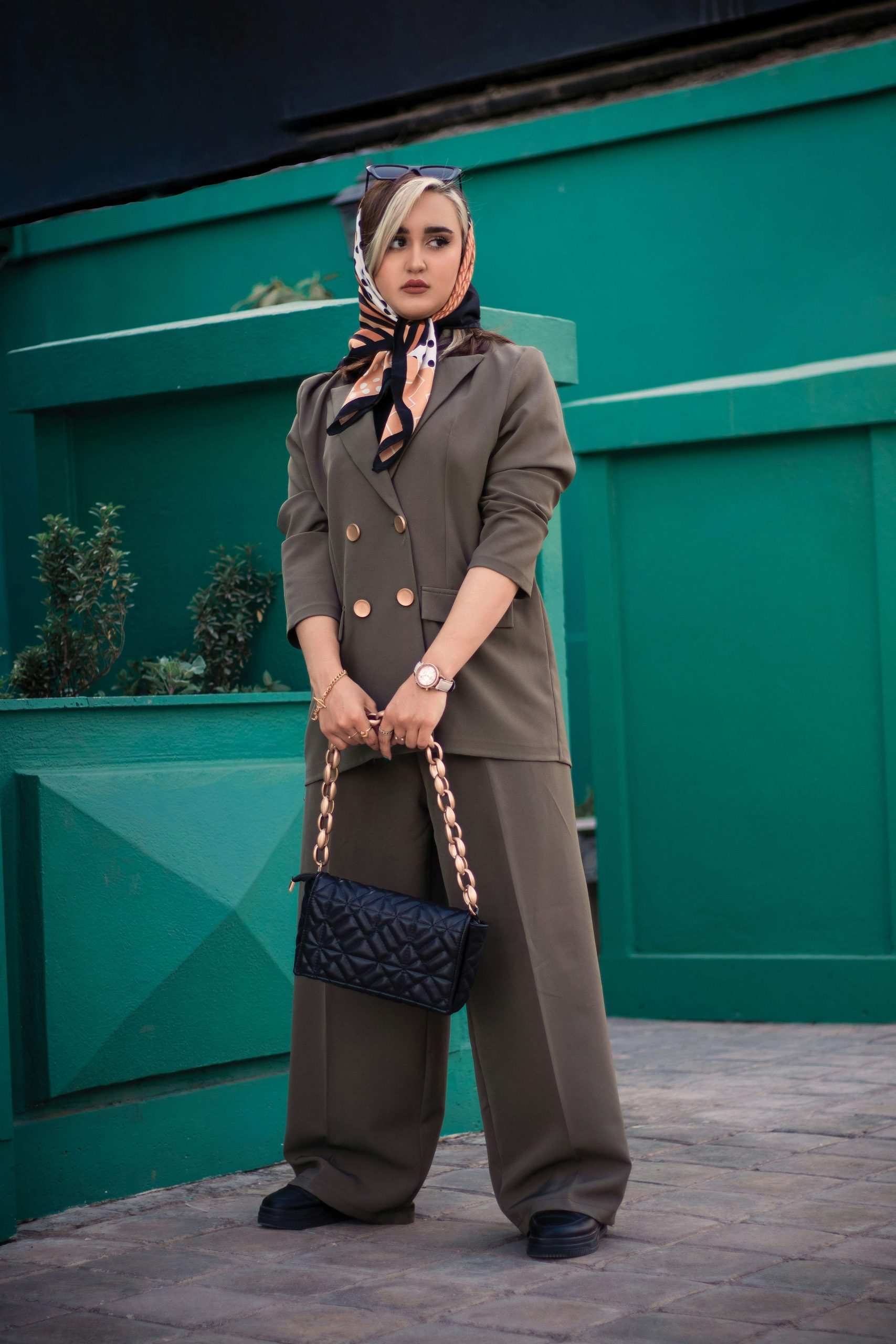
Gender-fluid fashion is not a single aesthetic. It encompasses a wide spectrum of approaches, from the subtle to the spectacular. At one end of the spectrum is the quiet incorporation of pieces from the other side of the store. A woman wearing an oversized men’s blazer, a man wearing a silk scarf or delicate jewelry, a non-binary person mixing elements traditionally coded masculine and feminine into a singular look. These everyday acts of boundary-crossing represent the most accessible form of gender-fluid dressing and are increasingly common on streets around the world.
At the other end of the spectrum is the deliberate, theatrical rejection of gender categories. This is the territory of Harris Reed’s demi-couture, where crinolines and corsets are worn by models of all genders. It is Harry Styles on the cover of Vogue in a Gucci ball gown, Billy Porter in a velvet tuxedo dress at the Oscars, and Lil Nas X in a crystal-embellished pink suit. These moments generate headlines and controversy precisely because they challenge deeply held assumptions about who is allowed to wear what. They push the Overton window of acceptable fashion, making the quieter acts of gender-fluid dressing seem less radical by comparison. This is the function of avant-garde fashion more broadly: to expand the boundaries of the possible so that what was once shocking becomes, over time, familiar.
Between these poles lies a growing ecosystem of designers and brands explicitly committed to gender-neutral clothing. Labels like Telfar, with its slogan “Not for you, for everyone,” and Phluid Project, the first gender-free store in the United States, are building businesses around the principle that clothing should be organized by fit and style, not by the gender of the intended wearer. These brands are not simply offering unisex basics like t-shirts and hoodies, which have always been relatively gender-neutral. They are creating fashion-forward pieces, tailored suits, draped dresses, structured outerwear, that work across bodies and identities. Their existence proves that gender-fluid fashion need not mean sacrificing style for inclusivity.
Practical Ways to Explore Gender-Fluid Fashion in Your Own Wardrobe
You do not need to be non-binary or gender-nonconforming to benefit from the gender-fluid fashion movement. The dissolution of rigid gender categories in clothing opens up creative possibilities for everyone. Here are practical starting points for anyone curious about incorporating gender-fluid elements into their personal style.
Start with Silhouette
The most straightforward entry point is silhouette. If you typically wear clothes from the women’s section, try incorporating an oversized blazer or a boxy button-down shirt from the men’s section. The looser cut creates a different proportion that can feel both comfortable and intentionally styled. If you typically wear men’s clothing, try a piece with a softer, more draped silhouette. A long cardigan, a wide-leg trouser with fluid movement, or a tunic-length top introduces a different kind of elegance to your look. Pay attention to how different silhouettes change the way you feel in your body. Some people discover that they prefer the freedom of looser cuts, while others find that incorporating softer fabrics and draping adds emotional as well as aesthetic dimension to their style.
Experiment with Color and Pattern
Traditional menswear has been pathologically averse to color, pattern, and embellishment for more than a century. This is one of fashion’s great tragedies. Color does not belong to any gender. Flowers are not feminine; they are a ubiquitous feature of the natural world. Sequins and sparkle are not inherently gendered; they are materials, available to anyone who enjoys them. If you have been limiting your wardrobe to navy, grey, black, and olive because those are the colors society tells you are appropriate, consider this your permission slip to explore. Start with a floral print shirt, a pastel sweater, or a piece with subtle embellishment. Notice how these choices affect not just how others perceive you but how you perceive yourself.
Accessories as Bridge Pieces
Accessories are the lowest-stakes way to explore gender-fluid fashion. A man wearing a string of pearls, a silk scarf tied around the neck, a delicate ring, or a handbag is participating in a tradition that extends back centuries. European aristocrats of the 17th and 18th centuries wore lace, jewels, silk stockings, and high heels without any threat to their masculinity. It was only the great male renunciation of the 19th century that stripped men of ornamentation. Reclaiming accessories is reconnecting with a longer, richer history of masculine adornment. Start with one piece that intrigues you. Wear it with confidence. You may be surprised by how natural it feels and by how positively others respond.
Shop Across the Store
The physical layout of most stores still reinforces the gender binary, but that does not mean you need to respect it. Walk into the section you have been told is not for you. Feel the fabrics. Try things on. You may find that a pair of trousers from the men’s section fits your hips better than anything in the women’s department, or that a women’s sweater has the exact color and drape you have been searching for. Online shopping, with its ability to filter by size and style rather than by gender category, makes cross-department browsing even easier. Many gender-neutral and gender-fluid brands have size charts that focus on measurements rather than gendered sizing, which is both more inclusive and more practical. When shopping at traditional retailers, learn your measurements and refer to size charts rather than relying on the arbitrary S/M/L or numerical sizing that varies wildly between and within gendered categories.
Addressing the Critics and the Confused
Any significant cultural shift generates resistance, and gender-fluid fashion is no exception. Criticism tends to fall into a few predictable categories. Some argue that gender-fluid fashion is a marketing gimmick, a way for brands to appear progressive without making meaningful changes. This criticism has some validity. Rainbow-washing, the practice of slapping rainbow flags on products during Pride Month while doing nothing substantive for LGBTQ+ communities, is a real problem. Consumers should approach brand claims of gender inclusivity with the same skepticism they apply to claims of sustainability. Look for brands that are doing the work year-round, not just in June. Look at the diversity of their leadership, their hiring practices, and their product offerings, not just their advertising.
Others argue that gender-fluid fashion erases the beauty and importance of gendered clothing traditions. This is a misunderstanding. The goal of gender-fluid fashion is not to eliminate gendered clothing but to make it optional rather than mandatory. A woman who loves traditionally feminine dresses should continue wearing them. A man who feels most himself in a classic suit should continue wearing one. Gender-fluid fashion simply insists that these choices should be freely made, not socially enforced. It expands options rather than restricting them. The existence of gender-neutral clothing does not threaten gendered clothing any more than the existence of vegetarian restaurants threatens steakhouses. There is room for everyone.
Still others express practical concerns. How will sizing work if clothing is not divided by gender? This is a legitimate question, and the answer is already emerging. Gender-neutral sizing based on body measurements rather than gender assumptions is more precise, more inclusive, and ultimately more useful for everyone. A size chart that tells you the actual chest, waist, and hip measurements of a garment is objectively more helpful than one that tells you the garment is a men’s medium or a women’s 10. We have the technology and the data to move toward measurement-based sizing. The only barrier is institutional inertia.
The Future of Fashion Is Fluid
Looking ahead, the trajectory seems clear. The binary division of clothing by gender is not going to disappear overnight, but its dominance will continue to erode. The most successful brands of the coming decades will be those that meet consumers where they are, offering clothing organized by style, fit, and occasion rather than by the presumed gender of the wearer. This is not a threat to personal style; it is a liberation of it. When we stop policing the gender boundaries of clothing, we open up a vast new territory of creative expression for everyone.
The most exciting aspect of the gender-fluid fashion movement is not any particular garment or designer but the underlying philosophy it represents: that clothing exists to serve the person wearing it, not to enforce social categories. Your body is not wrong. The clothing categories that fail to accommodate it are wrong. Dressing should be a source of joy, self-discovery, and authentic expression. If the gender binary helps you achieve that, wonderful. If it constrains you, you have permission, from history, from the fashion avant-garde, and from a growing community of like-minded individuals, to step outside it. Fashion is a language, and you have the right to speak it in your own voice. The future of fashion is not male or female. It is human.