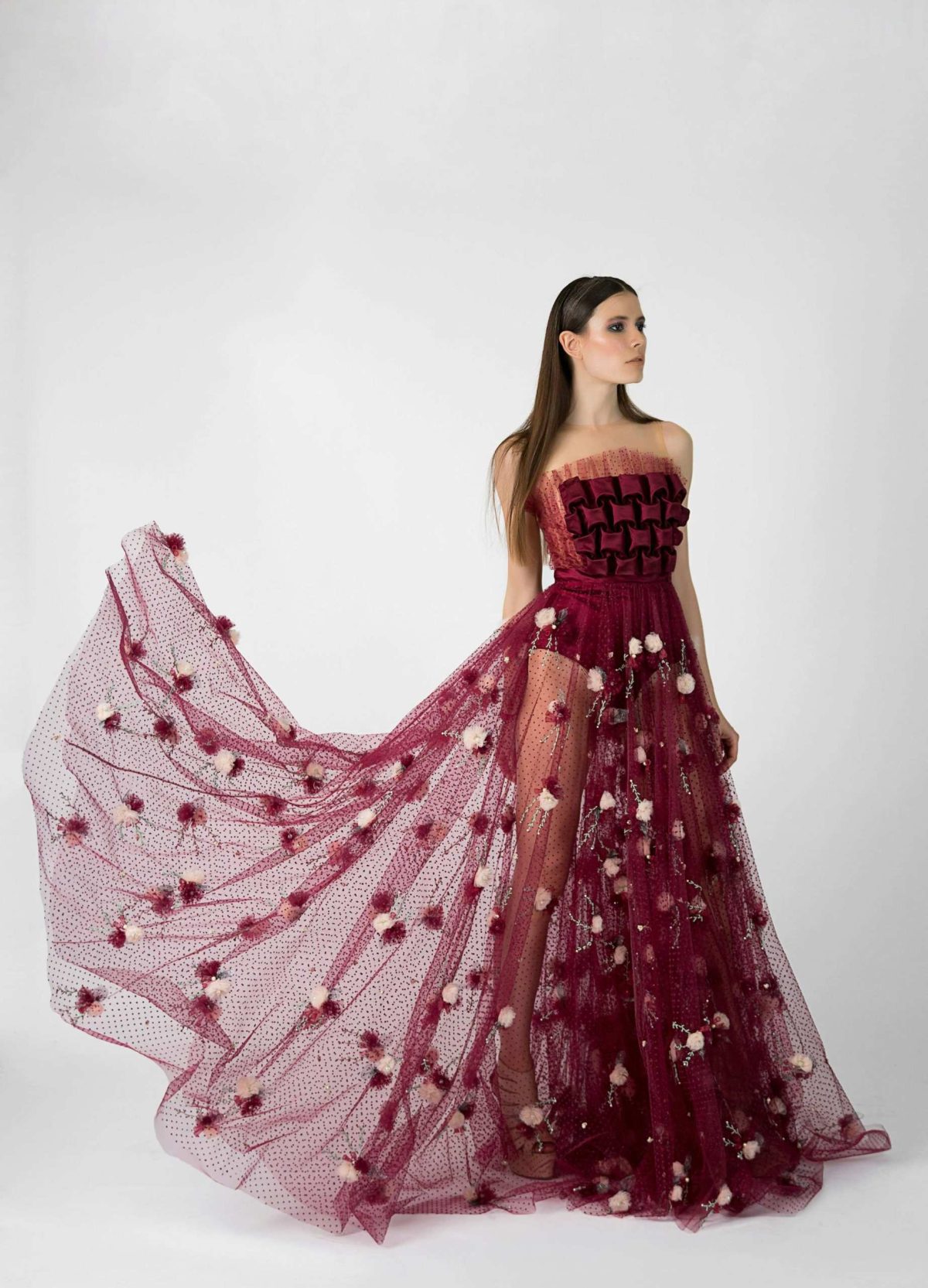
Introduction: The Thrill of the Hunt
There is a particular kind of magic that exists only in the aisles of a good vintage store. It is the electricity of possibility, the sense that at any moment you might turn a corner and find something extraordinary: a 1970s silk dress in a print that has not been manufactured in decades, a perfectly worn-in leather jacket that fits you as though it was made for you, a handbag from a defunct heritage brand at a fraction of what its contemporary equivalent would cost. Vintage shopping is not merely a way to acquire clothing. It is a treasure hunt, an education in fashion history, an act of environmental responsibility, and one of the most reliable ways to develop a personal style that is genuinely your own.
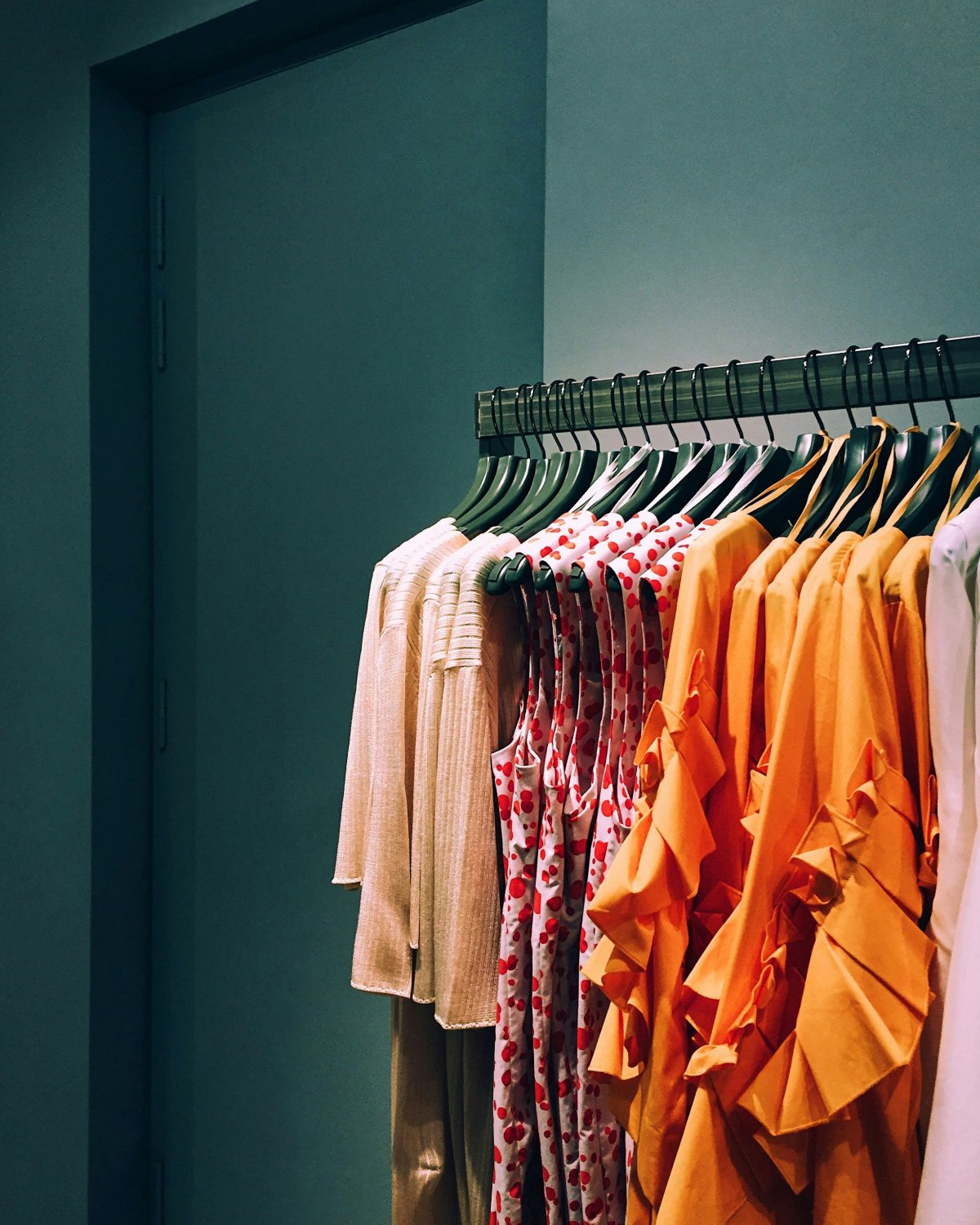
The secondhand clothing market has undergone a dramatic transformation in recent years. Once stigmatized as a necessity for those who could not afford new clothes, thrifting and vintage shopping have become aspirational activities in their own right. Platforms like Depop, The RealReal, Vestiaire Collective, and ThredUp have brought secondhand shopping online, creating a global marketplace for pre-owned fashion that is projected to surpass fast fashion in market size within the next decade. Celebrities and influencers routinely showcase vintage finds on red carpets and social media. The reasons for this shift are multiple: growing environmental consciousness, the search for individuality in an era of mass production, the allure of superior quality at accessible prices, and the simple, undeniable thrill of discovering something unique.
Yet vintage shopping is also a skill, one that can be frustrating for beginners. The racks can be overwhelming. Sizing is unpredictable. Quality varies wildly. It is easy to become discouraged after a few unsuccessful trips and conclude that vintage shopping is not for you. This guide exists to prevent that outcome. Whether you are a complete novice or an experienced thrifter looking to refine your approach, you will find practical strategies for every stage of the vintage shopping journey: preparation, navigation, evaluation, and care.
Understanding the Vocabulary: Vintage, Antique, and Thrift
Before diving into strategy, it is worth clarifying the terminology that structures the secondhand clothing world. These words are often used interchangeably in casual conversation, but they have distinct meanings that affect pricing, curation, and the shopping experience. Vintage technically refers to items that are at least 20 years old but less than 100 years old. In practice, the label is often applied more loosely to any pre-owned clothing with distinctive design or historical character. True vintage pieces, thoughtfully selected, tend to be higher quality than contemporary fast fashion because they were produced in an era when clothing manufacturing standards were generally higher and planned obsolescence had not yet become a business model.
Antique clothing is at least 100 years old. You are unlikely to encounter true antique clothing in a typical vintage store. These pieces belong to museums, serious collectors, and specialty dealers. They are fragile, often not wearable, and priced accordingly. Thrift refers broadly to secondhand clothing, regardless of age, typically sold by charitable organizations at low prices. The thrift store is where you find the full spectrum of pre-owned clothing: genuine vintage treasures mixed in with last season’s fast fashion discards, high-quality contemporary basics, and everything in between. Consignment stores occupy a middle ground between thrift and retail. They sell secondhand clothing on behalf of the original owner, taking a percentage of the sale price. Consignment stores are typically more curated and more expensive than thrift stores, but the quality bar is higher and the organization is more manageable.
Understanding these distinctions helps you calibrate your expectations before you walk through the door. A vintage boutique in a fashionable neighborhood will have beautiful, curated pieces at premium prices. A charity thrift store in a suburban strip mall will require more digging but may yield extraordinary bargains. Neither is better. They are different experiences that suit different moods, budgets, and objectives. The skilled vintage shopper knows how to navigate all of them.
Preparation: How to Set Yourself Up for Success
Vintage shopping rewards preparation. Walking into a thrift store without a plan is like going grocery shopping while hungry: you will make impulse purchases you later regret. Before you leave the house, take fifteen minutes to prepare. Start by reviewing your existing wardrobe. What gaps are you trying to fill? Are you looking for a leather jacket, a wool blazer, a silk scarf, or a particular silhouette of jean? Having a mental list keeps you focused when the racks threaten to overwhelm. It is fine to leave room for serendipity, the unexpected find is half the fun of vintage shopping, but having guardrails prevents you from coming home with five party dresses when what you actually needed was a winter coat.
Dress strategically for the shopping trip itself. Wear a simple outfit that is easy to take on and off, because you will be doing a lot of trying on. A close-fitting tank top or t-shirt and slim pants or leggings allow you to try on tops and jackets without needing a fitting room. Wear shoes that slip on and off easily if you plan to try on pants or skirts. Some vintage stores have fitting rooms; many do not. In the absence of a fitting room, a full skirt or loose dress can be tried on over your clothes. Bring a measuring tape. Vintage sizing bears almost no relationship to modern sizing. A 1970s size 10 is radically different from a 2020s size 10. Knowing your measurements, bust, waist, hips, shoulder width, inseam, and sleeve length, and comparing them to the garment’s measurements, is far more reliable than trusting the tag.
Set a budget before you arrive and stick to it. Vintage shopping can be intoxicating. The combination of low prices and one-of-a-kind finds can override your financial judgment. Decide in advance how much you are willing to spend, and bring cash if possible. Some smaller vintage stores and flea market vendors do not accept cards. Cash also imposes a natural spending limit that plastic does not. Finally, manage your expectations about time. Vintage shopping is not a thirty-minute errand. It requires patience, attention, and a willingness to sift through a lot of unremarkable clothing to find the gems. Plan for at least two hours, bring water, and allow yourself to enjoy the process rather than rushing to a result.
Where to Shop: A Guide to Vintage Retail Formats
Not all vintage shopping venues are created equal. Each format has its own character, advantages, and challenges. Understanding the landscape helps you choose the right venue for what you are seeking.
Charity and Thrift Stores
Goodwill, Salvation Army, Savers, and local charity shops are the backbone of the thrifting world. Their inventory is entirely donation-based, which means selection is unpredictable and varies dramatically by location and by day. Thrift stores in affluent neighborhoods tend to receive higher-quality donations, including designer pieces. Stores near colleges often have excellent vintage and retro clothing donated by students. The key to thrift store success is frequency. Regular shoppers who visit once a week develop an intuitive sense of when new inventory arrives and can spot quality pieces quickly. Prices at charity thrift stores are the lowest in the secondhand ecosystem, often ranging from two to fifteen dollars per item. This affordability makes them ideal for experimenting with styles you are not yet sure about. If you buy a bold 1980s blazer for eight dollars and decide it is not for you, you can re-donate it without financial regret.
Curated Vintage Boutiques
At the opposite end of the spectrum are curated vintage boutiques. These stores have done the digging for you. The owners, often passionate collectors themselves, select pieces based on quality, condition, design significance, and current fashion relevance. The prices reflect this curation. A dress that might cost ten dollars at a thrift store could be priced at one hundred dollars or more at a vintage boutique. What you are paying for is the owner’s expertise, the guarantee of quality, and the time you save by not sifting through racks of unpromising clothing. Curated boutiques are the best option when you are looking for something specific, when you are shopping for a special occasion, or when you simply do not have the time or patience for extensive digging. Develop relationships with boutique owners. They can alert you when pieces matching your interests arrive, and regular customers sometimes receive discounts.
Flea Markets and Estate Sales
Flea markets offer a different kind of vintage shopping experience, one that is more social and often more negotiable. Vendors rent booths or tables, and many are open to bargaining, especially near the end of the market day. Flea markets are particularly good sources for accessories: jewelry, scarves, handbags, and sunglasses. These items tend to survive the decades better than clothing and are easier to inspect quickly. Estate sales, where the contents of a home are sold, often following the death of the owner, can be extraordinary sources of vintage clothing. The clothing at an estate sale represents one person’s actual wardrobe, preserved together. You may find entire collections of mid-century dresses, rows of vintage handbags, or sets of costume jewelry that have not been picked over by dealers. Estate sales require more effort to locate and attend, but the rewards can be remarkable. Websites like EstateSales.net aggregate listings by location and often include photographs of the items for sale, allowing you to assess whether a particular sale is worth your time.
Online Vintage and Resale Platforms
The internet has transformed vintage shopping, making it possible to source pieces from anywhere in the world without leaving your home. Each platform has its own character. Depop skews young and trendy, with a focus on Y2K and 1990s fashion. The RealReal specializes in authenticated luxury consignment, with rigorous quality control and correspondingly higher prices. Vestiaire Collective operates similarly in the luxury space, with a peer-to-peer model that connects buyers and sellers globally. eBay remains a vast and underrated resource for vintage clothing, particularly if you know specific search terms. ThredUp is the largest online thrift store, offering a massive inventory of secondhand clothing from high-street to contemporary designer, organized with the ease of a traditional e-commerce site.
Online vintage shopping solves many of the problems of in-person thrifting: no travel, no digging through disorganized racks, and search functionality that lets you find exactly what you are looking for. It introduces a new problem, however: you cannot touch the fabric, inspect the condition, or try the garment on before buying. Diligent online vintage shoppers learn to read listings carefully, ask sellers questions about measurements, flaws, and fabric content, and review return policies before purchasing. Look for sellers with high ratings, detailed descriptions, and photographs taken in natural light. Be wary of listings with a single photograph, vague descriptions, or prices that seem too good to be true.
How to Evaluate Quality: The Eye and the Hand
The single most important skill in vintage shopping is the ability to assess quality quickly and accurately. In a thrift store with hundreds of items, you cannot examine every garment in detail. You need to develop a fast filter that identifies promising pieces and discards the rest. This skill combines visual assessment, tactile examination, and knowledge of fabrics and construction techniques.
Fabric First
Train your hand to recognize quality fabric by touch. As you walk along a rack, let your fingers brush against the garments. Natural fibers, wool, silk, cotton, linen, cashmere, feel different from synthetics. They have weight, texture, and temperature. A wool blazer feels substantial and slightly cool to the touch. Silk is unmistakably smooth and fluid. Good cotton has a crispness or a softness depending on the weave, but it never feels plasticky. Synthetics are not automatically bad; vintage polyester from the 1970s can be surprisingly high quality, and modern technical fabrics have their place. But natural fibers are generally more durable, more breathable, and more valuable. They also age more beautifully, developing a patina that synthetics cannot replicate. Check the garment’s care label, which is typically sewn into a side seam. The fiber content will be listed there. Prioritize pieces with high percentages of natural fibers.
Construction Tells the Story
After fabric, examine the construction. Turn the garment inside out and look at the seams. Are they straight and even? Are they finished or raw? In quality clothing, seams are finished with techniques like French seams, flat-felled seams, or bias binding. Raw, unfinished seams are a hallmark of cheap, mass-produced clothing. Check the stitching. High-quality garments have tight, even stitches with no loose threads or skipped stitches. Look at the hem. Is it hand-sewn or machine-sewn? Hand-sewn hems, identifiable by slightly irregular stitch lengths that are nearly invisible from the right side, indicate a level of craftsmanship associated with higher-end and older garments. Examine the lining. A well-made jacket or dress will be fully lined in a quality fabric like rayon, silk, or cupro. A cheaply made garment will have a polyester lining that feels plasticky and does not breathe, or no lining at all. Check the buttons and buttonholes. Quality buttons are made from natural materials like shell, horn, wood, or metal. Plastic buttons that are molded rather than carved suggest lower quality. Buttonholes should be neatly finished with dense stitching and no fraying.
Condition Check
Vintage clothing, by definition, has been worn and loved before it reaches you. Some signs of age are acceptable and even desirable, like the soft fade of well-washed denim or the patina on a leather bag. Other signs of age are deal-breakers. Hold the garment up to the light and look for holes, thinning fabric, and stains. Pay particular attention to high-stress areas: underarms, elbows, collar, cuffs, and the seat of pants and skirts. Check for odors. Musty smells can sometimes be removed, but strong odors of mildew, smoke, or perfume can be permanently embedded in fabrics. Examine zippers and closures. Do zippers move smoothly? Are all buttons present? Are snaps and hooks secure? Replacing a zipper on a coat is an expensive tailoring job that can easily exceed the cost of the garment itself. Check for alterations. Has the garment been hemmed, taken in, or let out? Previous alterations can affect fit and may have left visible stitch holes if poorly done. Look for fading and discoloration, particularly under the arms and on the shoulders, where garments are exposed to sun and sweat.
Know which flaws you can fix and which you cannot. A missing button is an easy repair. A small seam split is a simple mend. A broken zipper, a large stain, a hole in a prominent location, or extensive fabric deterioration is usually not worth the trouble, no matter how beautiful the garment or how low the price. Be honest with yourself about your mending skills and your willingness to take items to a tailor. A garment that needs work will sit in your mending pile indefinitely if you are not realistic about your follow-through.
Sizing and Fit: Decoding the Mystery
Vintage sizing is one of the most persistent frustrations for newcomers to secondhand shopping. Vanity sizing, the practice of assigning smaller size numbers to larger garments to flatter customers, has been escalating for decades. The result is that a modern size 6 and a 1960s size 12 might have nearly identical measurements. There is no universal conversion chart that reliably maps vintage sizes to modern ones because vanity sizing has been inconsistent across brands and decades. The only reliable approach is to ignore the tag number and go by measurements.
Measure yourself at home before you shop. You will need your bust measurement at the fullest point, your natural waist measurement at the narrowest point, your hip measurement at the fullest point, your shoulder width from shoulder bone to shoulder bone across your back, and your inseam from crotch to ankle for pants. Write these numbers down and keep them in your phone. When evaluating a garment, measure it flat and double the measurement for the circumference. For tops and dresses, the critical measurements are bust, waist, and shoulder width. For pants and skirts, they are waist, hip, and inseam or length. Allow for ease, the difference between your body measurement and the garment measurement. A woven, non-stretch fabric needs at least one to two inches of ease at the bust and waist for comfortable movement. A stretch fabric can fit closer to your actual measurements. When in doubt, err on the side of too large rather than too small. A garment that is slightly too big can be tailored down. A garment that is too small can rarely be successfully enlarged.
Cleaning, Care, and Restoration
Every vintage purchase should be cleaned before it enters your wardrobe. This is non-negotiable. You do not know where the garment has been, how it was stored, or what it may have been exposed to. The cleaning method depends on the fiber content and the garment’s condition. Always check the care label first. If the label says dry clean only, take it to a dry cleaner, preferably one with experience handling vintage textiles. Tell them the garment is vintage so they can adjust their processes accordingly. For washable natural fibers like cotton and linen, a gentle cycle in cold water with a mild detergent is usually safe, but hand-washing in a basin is even gentler. Avoid the dryer. Heat is the enemy of vintage textiles, causing shrinkage, fiber damage, and set-in stains that become permanent. Air-dry vintage items flat or on padded hangers, away from direct sunlight which can cause fading.
For particularly special or fragile pieces, consider professional conservation. A textile conservator can stabilize deteriorating fabrics, repair damage invisibly, and advise on long-term storage. This level of care is appropriate for true collector’s items: 1920s beaded flapper dresses, Victorian lace, or pieces with significant historical or monetary value. For everyday vintage wear, basic maintenance is usually sufficient. Store vintage clothing properly. Use padded hangers for delicate blouses and dresses. Fold heavy knits to prevent stretching. Keep garments in a cool, dry, dark environment. Cedar or lavender provide natural moth protection without the chemical smell of mothballs, which can be nearly impossible to remove from fabric.
Sustainability: Fashion’s Best-Kept Secret
Every vintage purchase is an environmental choice. The fashion industry produces approximately 100 billion garments annually, and the vast majority will end up in landfills or incinerators within a few years of production. Textile waste occupies an estimated five percent of global landfill space. The production of new clothing consumes enormous quantities of water, energy, and petrochemicals and generates pollution at every stage from fiber cultivation through dyeing and finishing. When you buy a vintage garment, you are removing an item from the waste stream, avoiding the environmental cost of producing a new garment, and participating in a circular economy that values reuse over disposal. It is one of the most impactful consumer choices you can make for the planet.
But sustainability in fashion goes beyond environmental metrics. There is a human dimension as well. The fast fashion industry relies on exploitative labor practices, with garment workers in many countries earning poverty wages in unsafe conditions. Vintage shopping is one way to opt out of that system, at least partially. It is not a perfect solution. The secondhand clothing industry has its own ethical complexities, including concerns about the export of used clothing from wealthy countries to developing ones, where it can undermine local textile industries. But as part of a broader commitment to conscious consumption, buying vintage is a meaningful step in the right direction.
Conclusion: Your Vintage Journey
Vintage shopping is not just about acquiring clothing. It is about participating in the ongoing life of garments that have already lived through decades of fashion history. A 1950s circle skirt once danced at a sock hop. A 1970s fringe jacket once swayed at a rock concert. A 1990s slip dress once witnessed the last gasps of the twentieth century. When you wear these pieces, you become part of their story, adding your own chapter to a narrative that began long before you and will, if you care for the garment well, continue long after you. There is something almost sacred in this continuity, a quiet resistance to the disposability that defines so much of contemporary consumption.
Your vintage journey will be uniquely yours. You will develop favorite stores, preferred eras, and personal rules of thumb. You will make mistakes and buy things that, in the cold light of your own home, you realize you will never wear. That is part of the process. Every experienced vintage shopper has a donation pile of pieces that did not work out. The key is to enjoy the hunt itself, not just the acquisition. Vintage shopping is one of the few remaining forms of shopping that feels like an adventure rather than a transaction. Each trip is a roll of the dice, and the possibility of finding something extraordinary is what keeps vintage lovers coming back, season after season, decade after decade. The racks are waiting. Your treasures are out there, hidden among the ordinary, waiting for someone with the patience and the eye to recognize them. That someone is you.